
Why Unclear MOQ, Samples, Tooling and Lead Time Can Hurt Your Valve Business
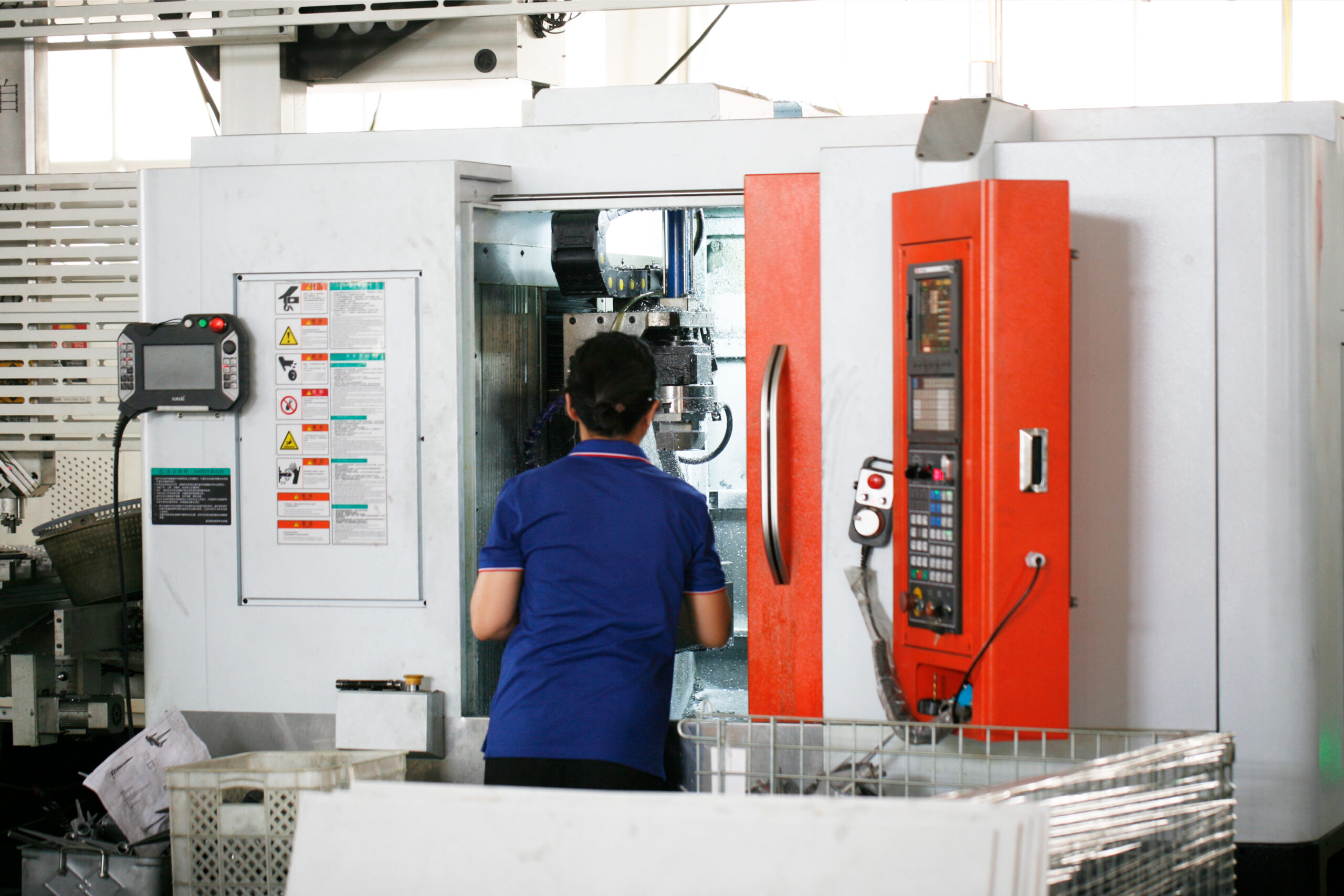
Bulk valve orders can become costly when MOQ, sample costs, tooling requirements, and lead times are not clearly confirmed before production. Importers may face unexpected development charges, unsuitable samples, delayed shipments, or excess inventory that ties up cash. These problems become more serious for Customizable OEM and ODM projects. A reliable Manufacturer should explain purchasing conditions early and align production planning with your market demand. Understanding these four factors helps buyers compare Suppliers more accurately, control costs, and avoid unpleasant surprises after placing an order.
What Should Buyers Know About Brass Valve MOQ and Lead Time?
MOQ, samples, tooling, and lead time should be confirmed before ordering. Our company evaluates these factors according to product type, customization level, order quantity, and production requirements, helping OEM, ODM, and wholesale buyers plan brass valve projects with clearer costs and delivery expectations.
What Does MOQ Mean for Brass Valve Orders?
MOQ Depends on the Product and Production Method
MOQ means Minimum Order Quantity. It is the smallest quantity a Manufacturer is normally prepared to produce or supply under specific commercial conditions. There is no universal MOQ for every brass valve because production requirements differ by product structure, material, tooling, packaging, and customization.
For a standard brass ball valve, the MOQ may be easier to manage because the product already has an established production process. A highly Customizable OEM valve may require a different MOQ because additional setup, components, or production controls are involved.
What Can Affect MOQ?
- Standard or customized product design.
- Existing or new tooling requirements.
- Order quantity and production efficiency.
- Special brass alloy or component requirements.
- Customized branding and packaging.
- Special inspection or testing requirements.
MOQ Questions Buyers Should Ask
- What is the MOQ for the standard product?
- Does customization change the MOQ?
- Can multiple sizes or models be combined in one order?
- Does OEM branding require a separate minimum quantity?
- Can a trial order be arranged before a larger purchase?
Samples: Why They Matter Before Bulk Production
Sample Approval Reduces Bulk-Order Risk
A sample gives buyers an opportunity to verify the actual product before committing to large-volume production. This is especially important when the valve has customized dimensions, thread standards, materials, handles, labels, or packaging.
For products such as a brass ball valve or garden hose adapter, buyers should evaluate not only appearance but also dimensions, connection compatibility, operation, sealing performance, and packaging details.
What Should Be Checked During Sample Approval?
- Overall dimensions and product structure.
- Thread type and connection compatibility.
- Material requirements.
- Handle design and operating feel.
- Surface finish and appearance.
- Sealing and functional performance.
- Logo, label, and packaging requirements.
Sample Approval Process
- Submit drawings, specifications, or reference samples.
- Confirm product requirements with the Supplier.
- Produce and inspect the sample.
- Test the sample against agreed requirements.
- Provide buyer feedback and make necessary adjustments.
- Approve the final sample before bulk production.
Tooling Costs: When Do Buyers Need to Pay for New Tooling?
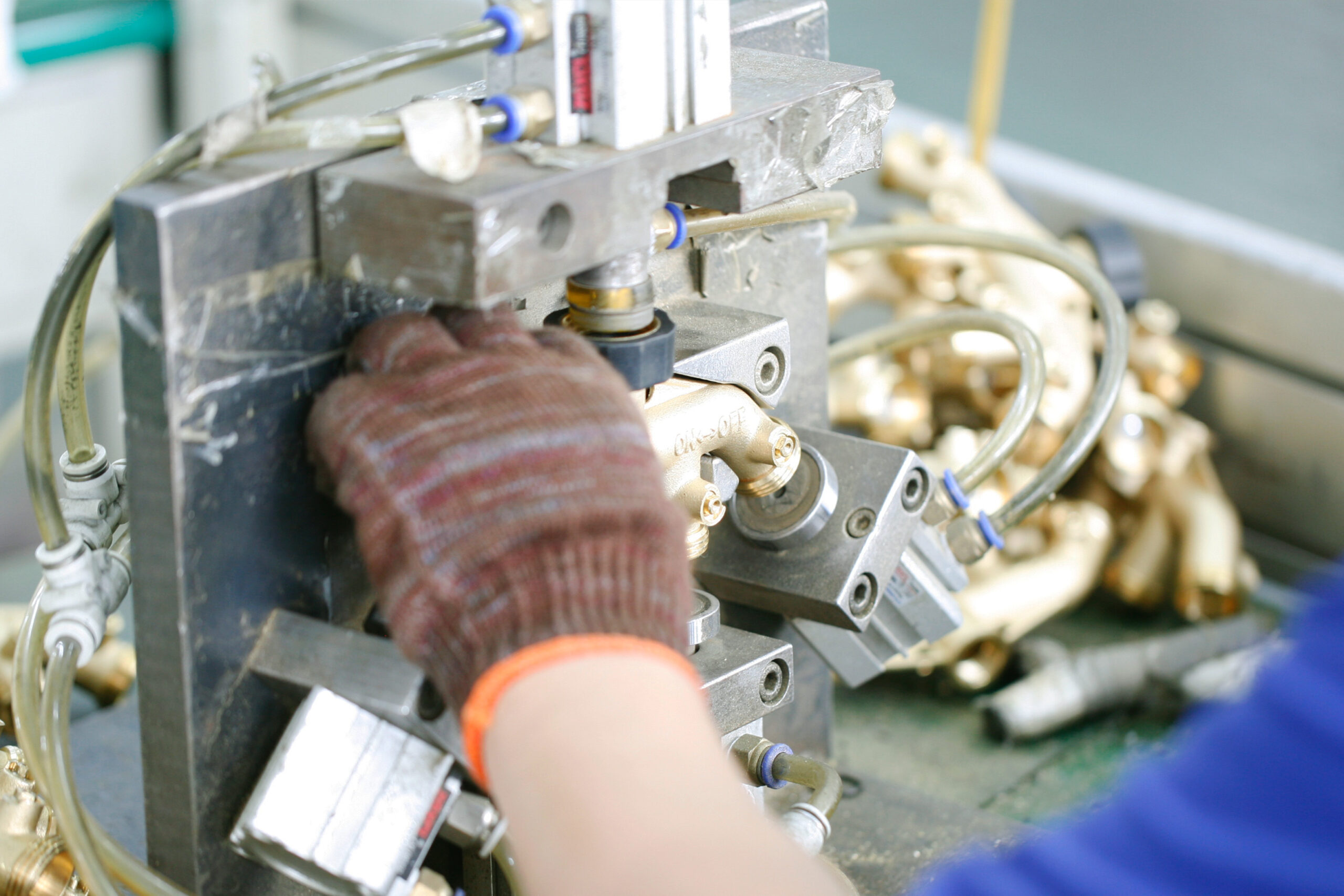
What Is Tooling?
Tooling refers to production tools, molds, fixtures, or other dedicated equipment required to manufacture a particular product or customized component. Standard products may use existing production tooling, while new OEM and ODM designs may require additional tooling.
Tooling should be discussed before production because it can influence both development cost and project lead time.
When Is New Tooling More Likely?
- A completely new valve body design is required.
- Custom dimensions cannot be produced with existing tooling.
- A unique handle or component needs dedicated production equipment.
- A customized garden hose adapter requires a new connection structure.
- An ODM project introduces a new product design.
Tooling Information Buyers Should Confirm
| Item | What to Confirm | Why It Matters |
|---|---|---|
| Tooling requirement | Existing or new tooling | Determines development complexity |
| Tooling cost | One-time or project-related charge | Helps calculate total investment |
| Tooling lead time | Estimated development period | Affects sample and production schedule |
| Tooling ownership | Commercial ownership arrangement | Clarifies long-term project rights |
Lead Time: How Long Will Your Brass Valve Order Take?
Lead Time Is More Than Manufacturing Time
Lead time is the period required to complete an order from an agreed starting point to the planned completion or shipment stage. Buyers should clarify exactly when the lead time begins because sample approval, deposit confirmation, raw material preparation, tooling, production, inspection, and packaging may all affect the schedule.
Factors That Can Extend Lead Time
- New product development.
- New tooling or molds.
- Special raw material requirements.
- Large order quantities.
- Customized colors, handles, logos, or packaging.
- Additional inspection or testing requirements.
- Production scheduling during busy periods.
Typical Project Stages to Discuss
| Stage | Main Activity | Buyer Focus |
|---|---|---|
| Requirement review | Confirm product and specifications | Complete technical information |
| Sampling | Develop and inspect sample | Sample approval |
| Tooling | Create dedicated tooling if required | Cost and ownership |
| Bulk production | Manufacture the order | Production progress |
| Inspection and packing | Final quality and packaging checks | Shipment readiness |
How MOQ, Samples, Tooling and Lead Time Work Together
Think About the Entire Project, Not One Cost
Buyers sometimes focus only on unit price and MOQ. However, the lowest quoted unit price may not produce the lowest total purchasing cost. Sample fees, tooling, packaging, development time, and inventory requirements can all affect the commercial result.
A Wholesaler, importer, or distributor should evaluate the complete project before making a purchasing decision.
- Unit price and total order value.
- MOQ and expected market demand.
- Sample and development costs.
- Tooling investment.
- Production lead time.
- Shipping schedule.
- Future repeat-order requirements.
A Practical Purchasing Decision Process
- Estimate realistic market demand.
- Decide whether a standard or Customizable product is appropriate.
- Request sample and tooling information.
- Compare total project costs instead of unit price alone.
- Confirm the production schedule.
- Approve specifications and sample before bulk production.
- Plan repeat orders according to actual sales performance.
OEM and ODM Projects Require Earlier Planning
OEM Production
OEM customers usually provide their own brand, specifications, drawings, packaging, or product requirements. The Manufacturer needs sufficient information to confirm feasibility before production. Early confirmation of MOQ, samples, tooling, and lead time can prevent delays later.
ODM Development
ODM projects generally involve greater product-development cooperation. Design adjustments, testing, tooling, and sample revisions may all influence the final schedule.
- Define the intended application.
- Confirm technical requirements.
- Review the proposed product structure.
- Develop samples and evaluate performance.
- Confirm tooling requirements.
- Approve the final design.
- Schedule bulk production.
How Our Company Supports Brass Valve Buyers
Our company works with importers, Wholesalers, distributors, and international brands to clarify project requirements before production. We support standard products as well as OEM, ODM, and Customizable brass valve projects.
Our Project Communication Approach
- Review product specifications and application requirements.
- Confirm MOQ and purchasing conditions.
- Clarify sample requirements before bulk production.
- Identify whether new tooling is necessary.
- Discuss development and production scheduling.
- Confirm final specifications before manufacturing.
This approach helps buyers make purchasing decisions based on the complete project rather than price alone.
What Buyers Should Confirm Before Placing an Order
- Product specification and material.
- MOQ and order quantity.
- Sample cost and approval procedure.
- Tooling requirements and cost.
- Tooling ownership arrangement.
- Production lead time.
- Packaging and branding requirements.
- Inspection and testing requirements.
- Payment and shipment conditions.
Plan the Project Before You Place the Order
MOQ, samples, tooling, and lead time directly affect the real cost and delivery risk of brass valve sourcing. Contact our team with your product requirements and order plan to confirm the right production solution for your next OEM, ODM, or wholesale project.