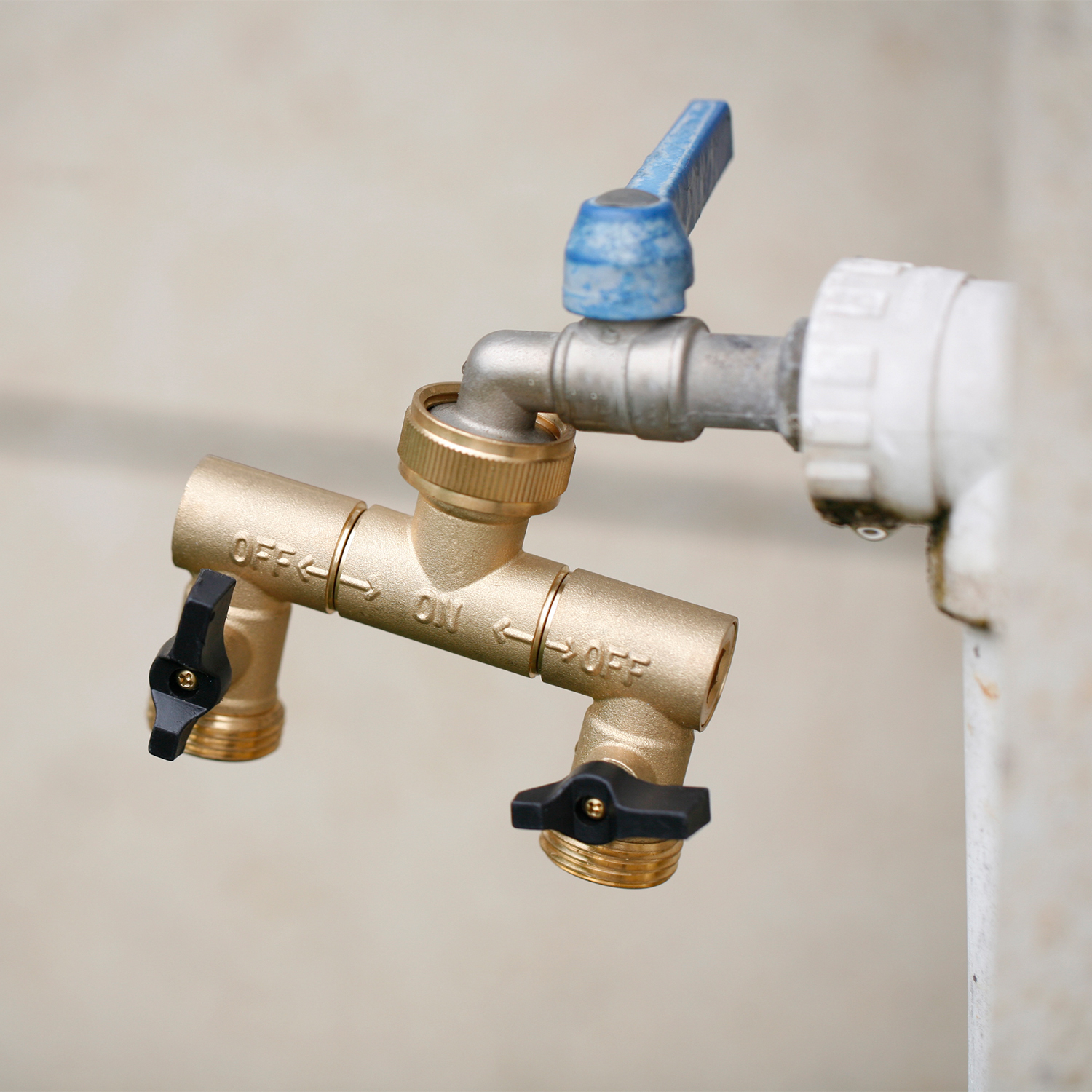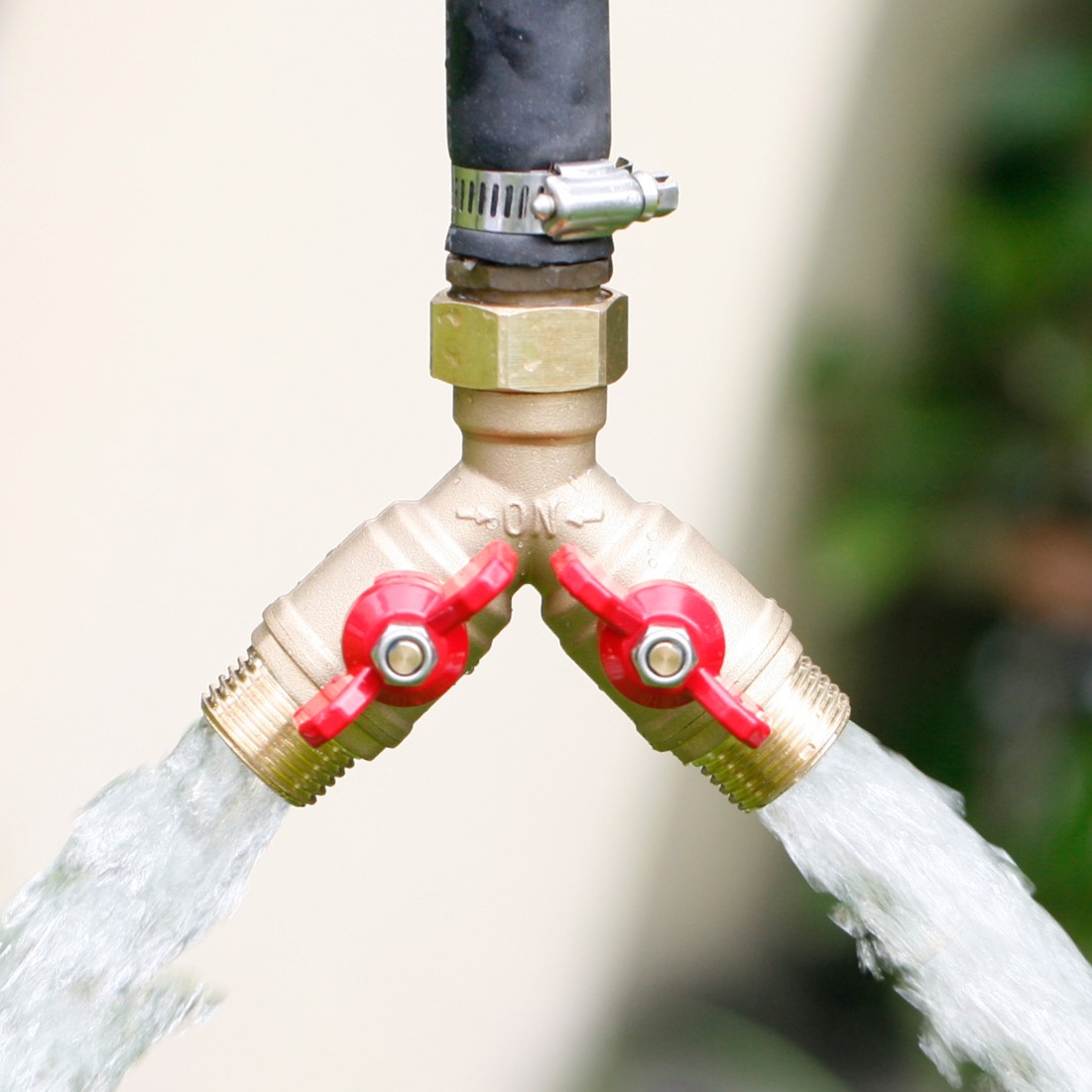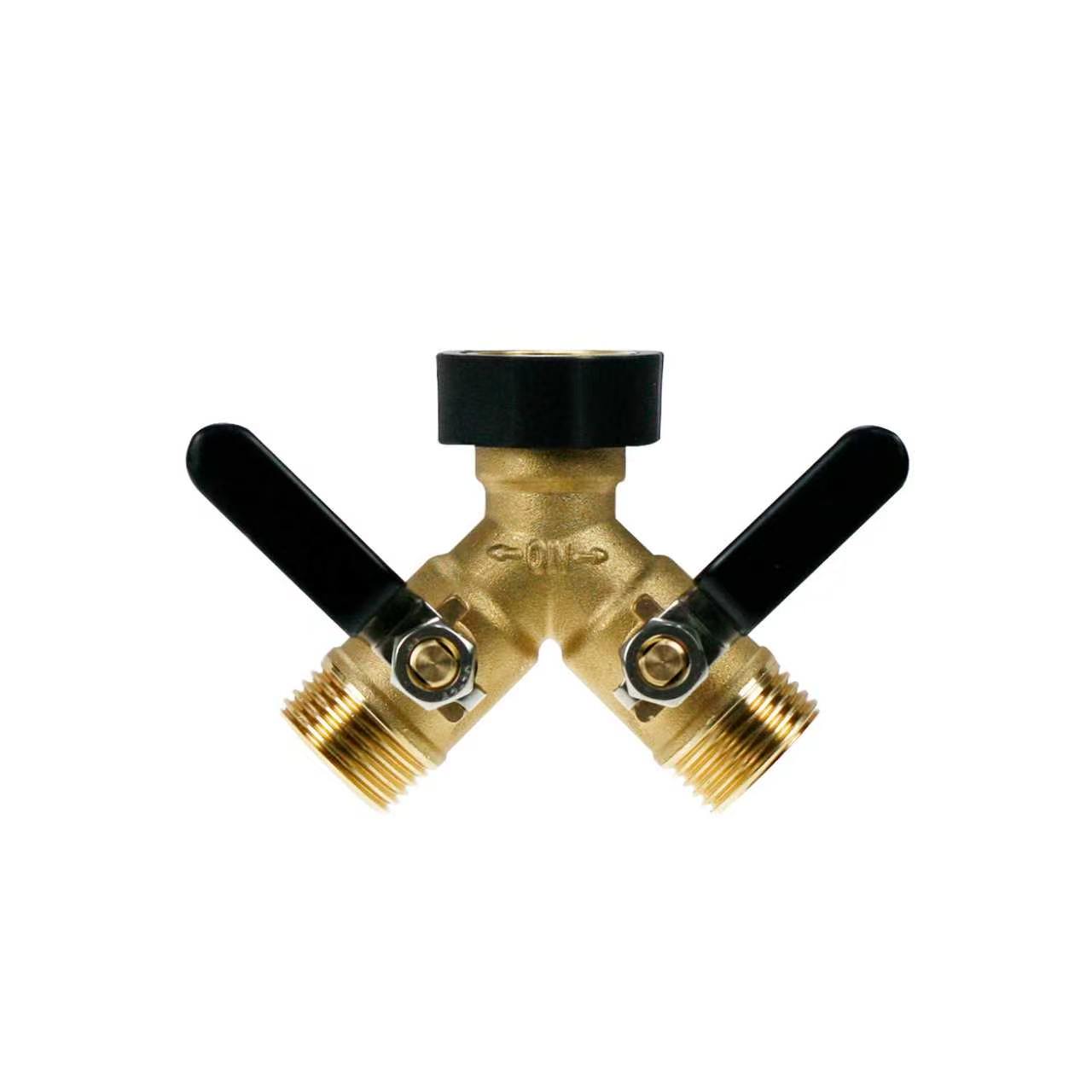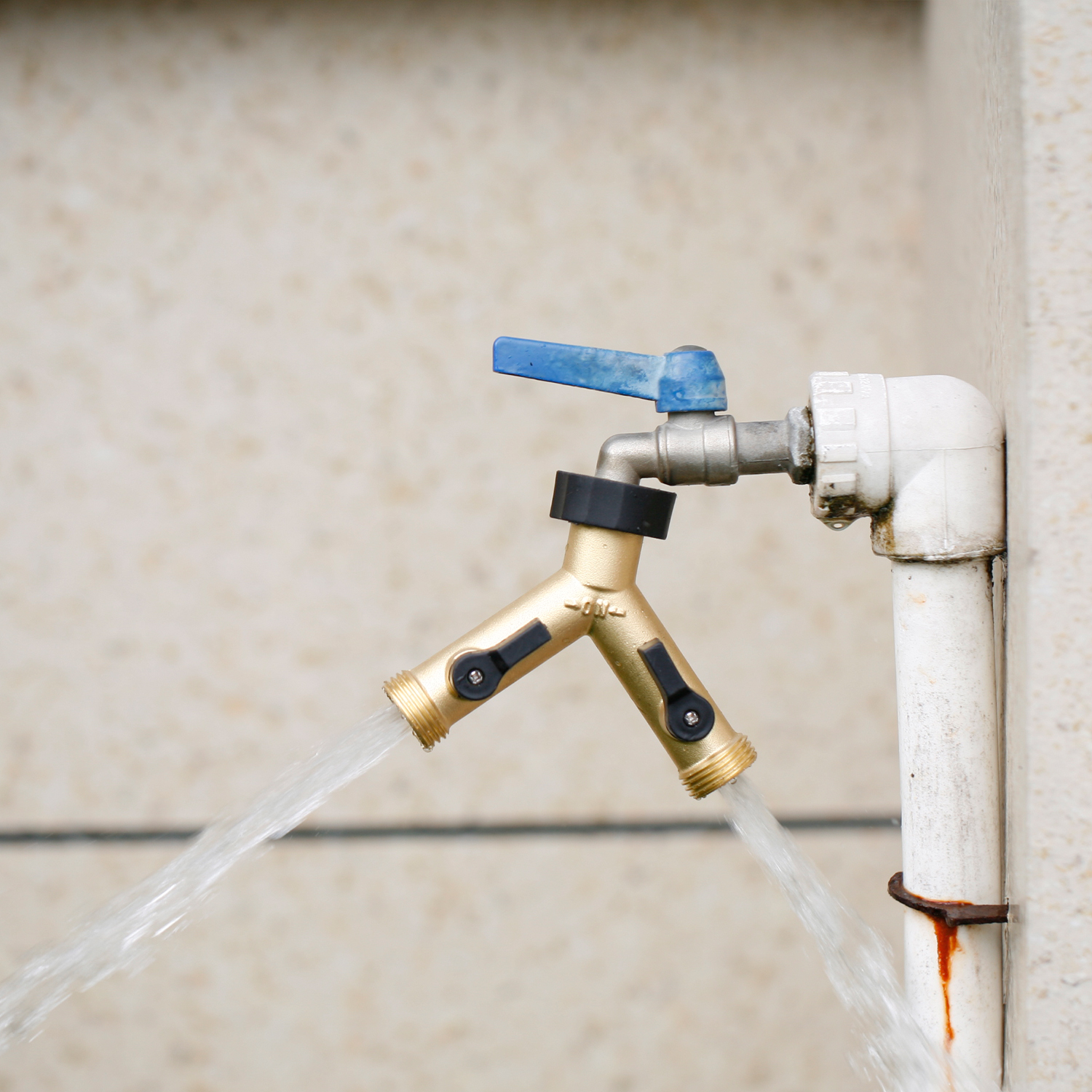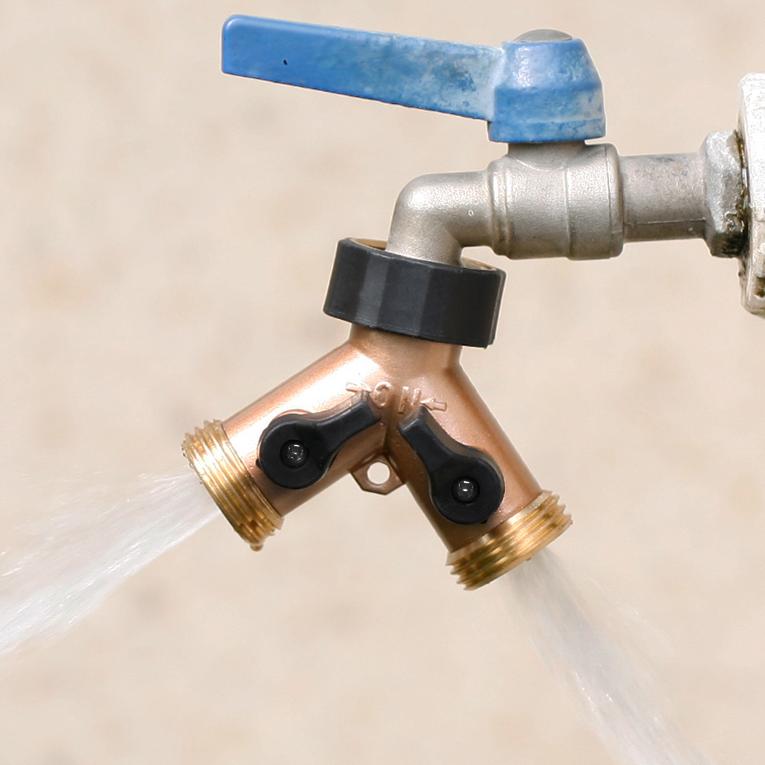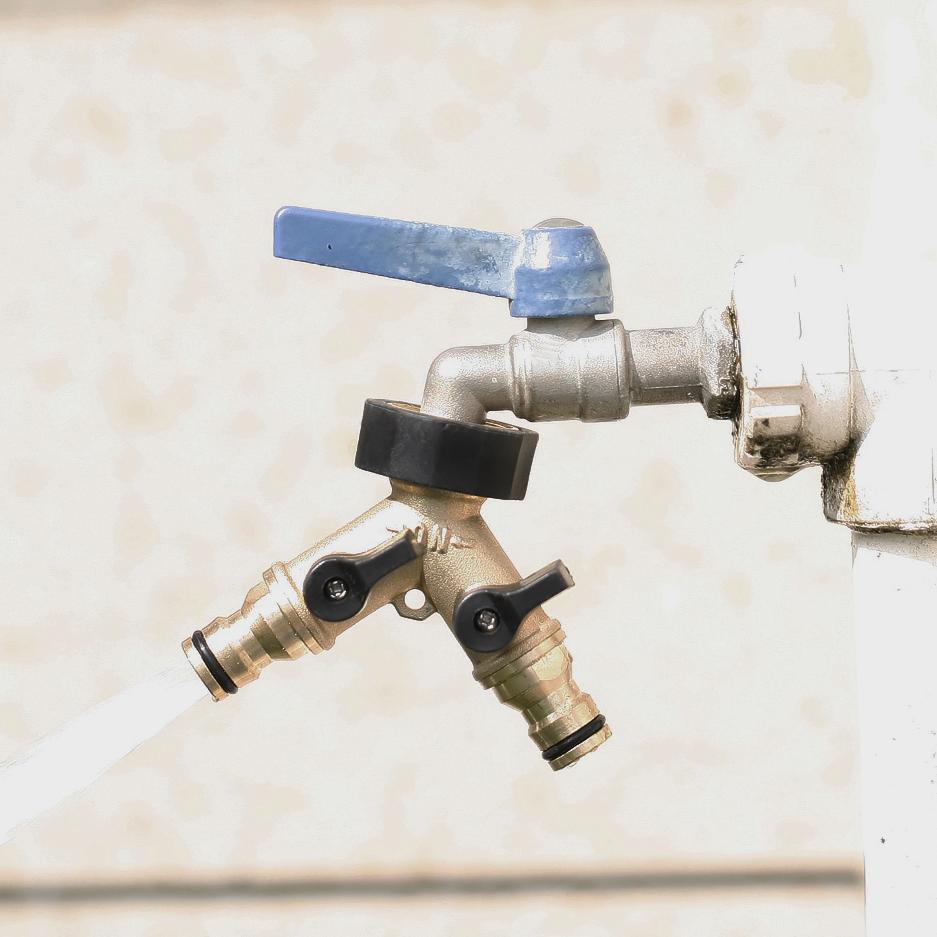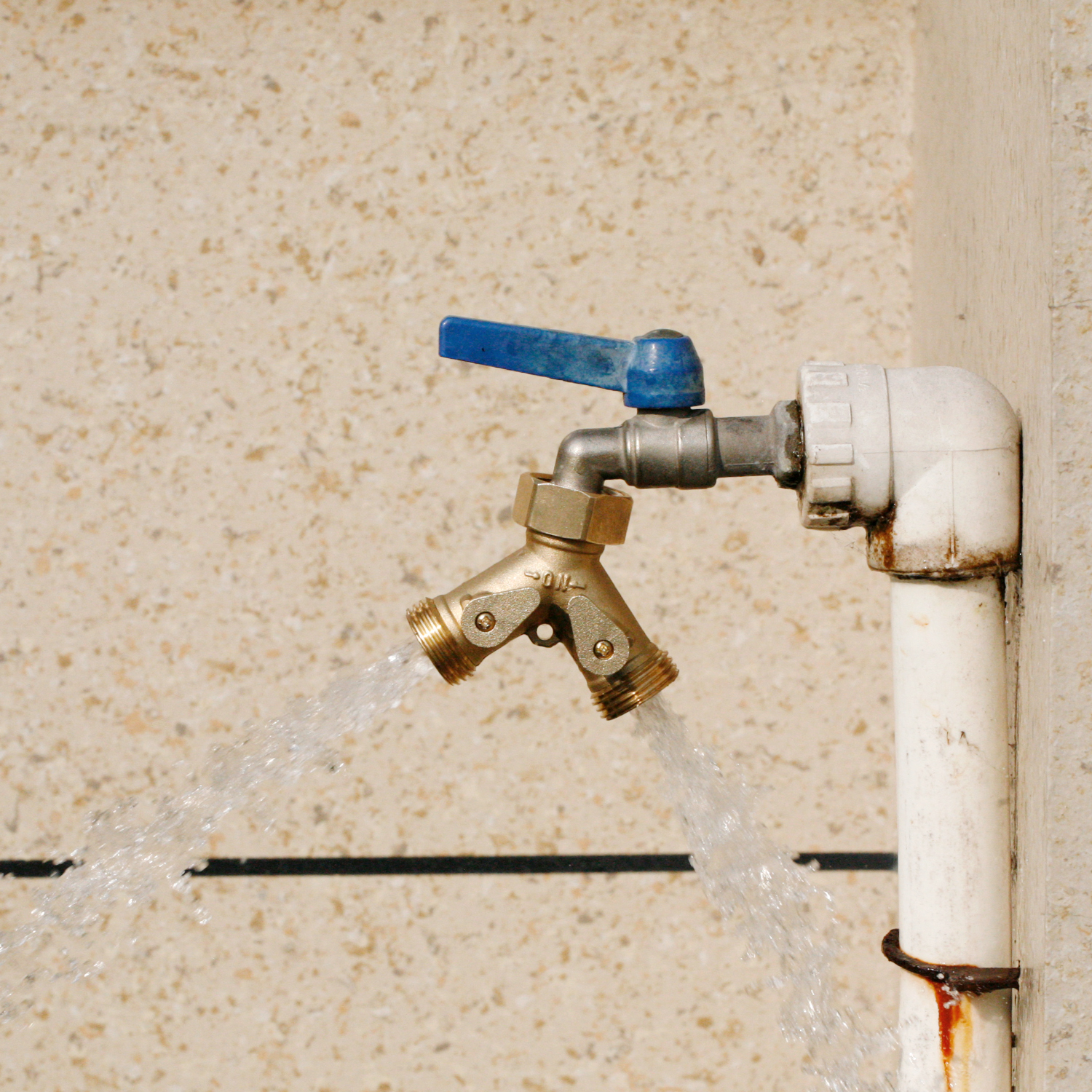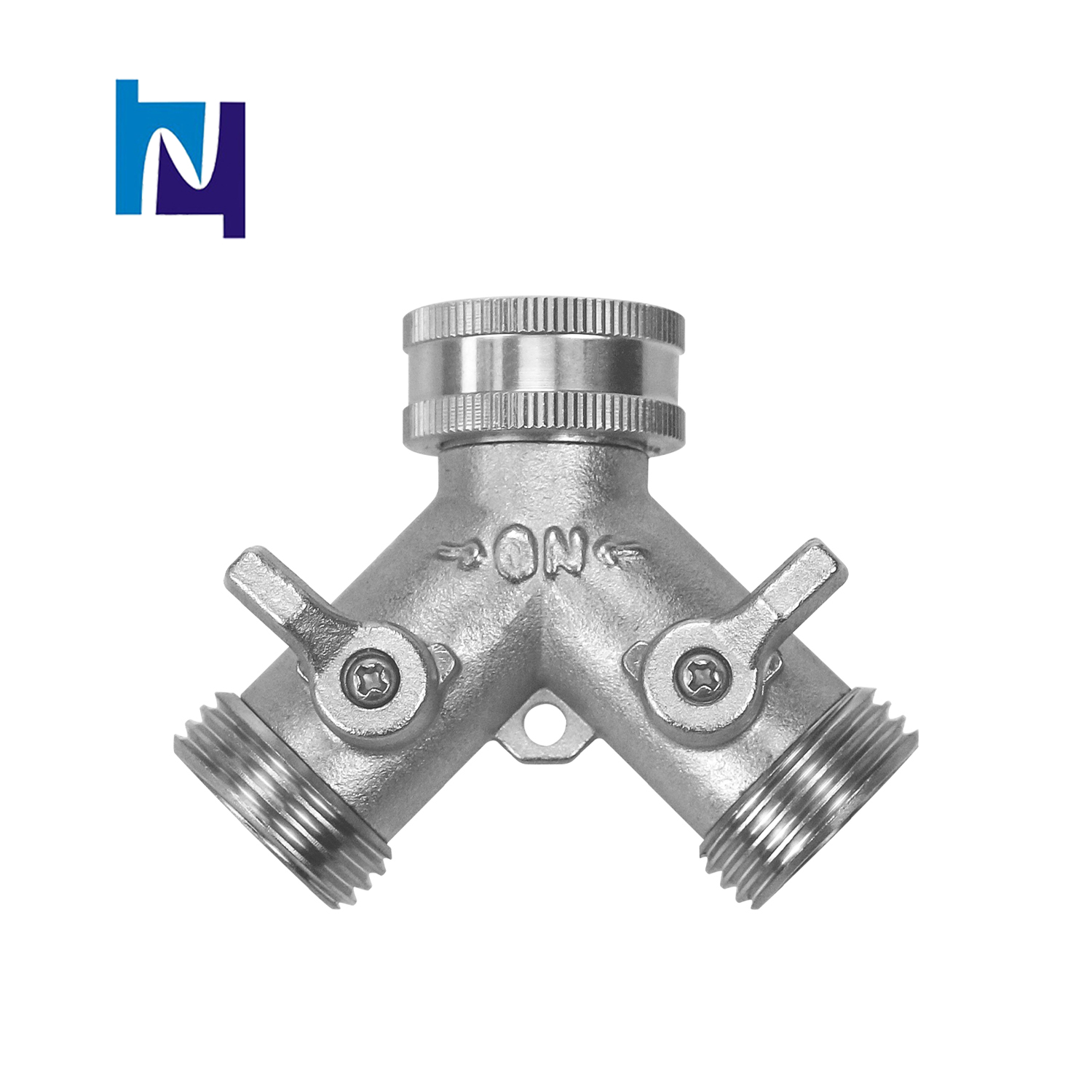

Two-way garden hose splitters let a buyer connect two branches to one suitable tap, but the best model depends on the fittings attached to each branch. Hengxin’s catalog includes two-way designs with different body and handle arrangements. For wholesale selection, confirm the inlet and outlet interfaces, handle clearance, sealing components and sample performance for the exact model. A nominal 3/4-inch description does not by itself establish thread compatibility or the internal flow passage.

Taizhou Hengxin Valve Technology Co., Ltd. is a comprehensive industry-trade enterprise with 28 years of experience in brass valve manufacturing. We specialize in design, production, and sales of brass valves, pipe fittings, garden irrigation products, and OEM/ODM solutions.
Taizhou Hengxin Valve Technology is an established manufacturer with 28 years of expertise in brass valve systems. We maintain complete vertical integration across our production processes, offering global clients:
List what will attach to each side: a hose, quick connector, watering timer or another component. Two large timers may fit the threads yet interfere with each other when installed. Check the center-to-center distance, branch angle and operating space using dimensions from the selected SKU. A photograph may show the general form but cannot replace an installation drawing.
If both outlets need to run together, specify that operating condition during sample evaluation. The water supply, hose lengths and attached components affect the result. The presence of two outlets does not guarantee a particular flow at each end.
Handle shape affects grip and clearance. A longer lever may be easier to operate in one position but can collide with a wall or timer in another; a compact wing handle presents a different tradeoff. Compare the motion, stop positions and access with the splitter mounted to the actual tap. Confirm whether the two branches are independently controlled for each shortlisted part.
An inlet may be fixed or designed to swivel. Where a swivel is offered, check its sealing arrangement and movement on a sample. Ask for inlet and outlet thread callouts, sealing face details and the material of supplied washers. Do not assume the same thread or gasket design is used across the entire two-way range.
Request the overall dimensions, the minimum internal passage and any test reports for the selected SKU. “Full bore” or “full flow” should be supported by measurements. A meaningful two-branch flow test identifies inlet pressure, the hose or test fixture, whether both outlets were open and where flow was measured. Leakage testing should identify both closed-valve and connected-joint conditions where applicable.
For private-label or wholesale packaging, decide whether the sales unit includes washers, adapters or quick-connect components. Record the approved part number, finish, packaging and artwork revision before sample sign-off. Mixed cartons should list each configuration and quantity.
Build the exact configuration a customer will receive, including both outlet accessories and any washers. Mount it on the intended tap type and confirm that the user can reach both controls with the hoses connected. Record the distance between adjacent fittings and any interference with a wall. Repeat installation and removal to check whether the inlet seal remains positioned correctly.
Open each branch separately and then both together under the same measured supply condition. The purpose is to observe the proposed assembly, not to assign a universal flow number to every installation. If a buyer wants a flow claim, obtain a repeatable model-specific test with defined equipment. Check closed-branch leakage as well as the threaded joints, and note any differences between handle variants.
Photographs for a private-label carton should show the actual approved sample. Label the mating thread accurately, identify what accessories are included and keep the sample revision with the final artwork. If a different gasket or handle is substituted, review the fit and packaging description again.
For a two-way splitter quotation, send the destination country, mating tap and outlet connections, intended accessories, approximate yearly and first-order quantities, preferred handle style and packaging concept. Include an installation sketch if two timers or other wide fittings must fit side by side.
That depends on the exact valve arrangement and available water supply. Confirm the model and evaluate a sample with both branches open under representative conditions.
Measure the timers and compare their width and connection geometry with the splitter drawing. Include clearance for installation and handle movement.
Check the currently listed two-way SKUs and request a drawing or sample of the preferred style. Handle shape is not a category-wide specification.
Do not assume so from photographs. Request separate inlet and outlet thread specifications and the mating-part details.
Yes, sample assessment can be discussed for shortlisted configurations. Ask for the exact part number and agree on the inspection criteria and commercial terms.
They depend on the selected SKU, finish, packaging and quantity. Provide these details so sales can quote current terms rather than relying on a generic website statement.
Request dimensional, leakage and flow records relevant to the chosen part, with test conditions and identification traceable to that configuration.
Welcome to discuss your purchasing requirements with our customer service.