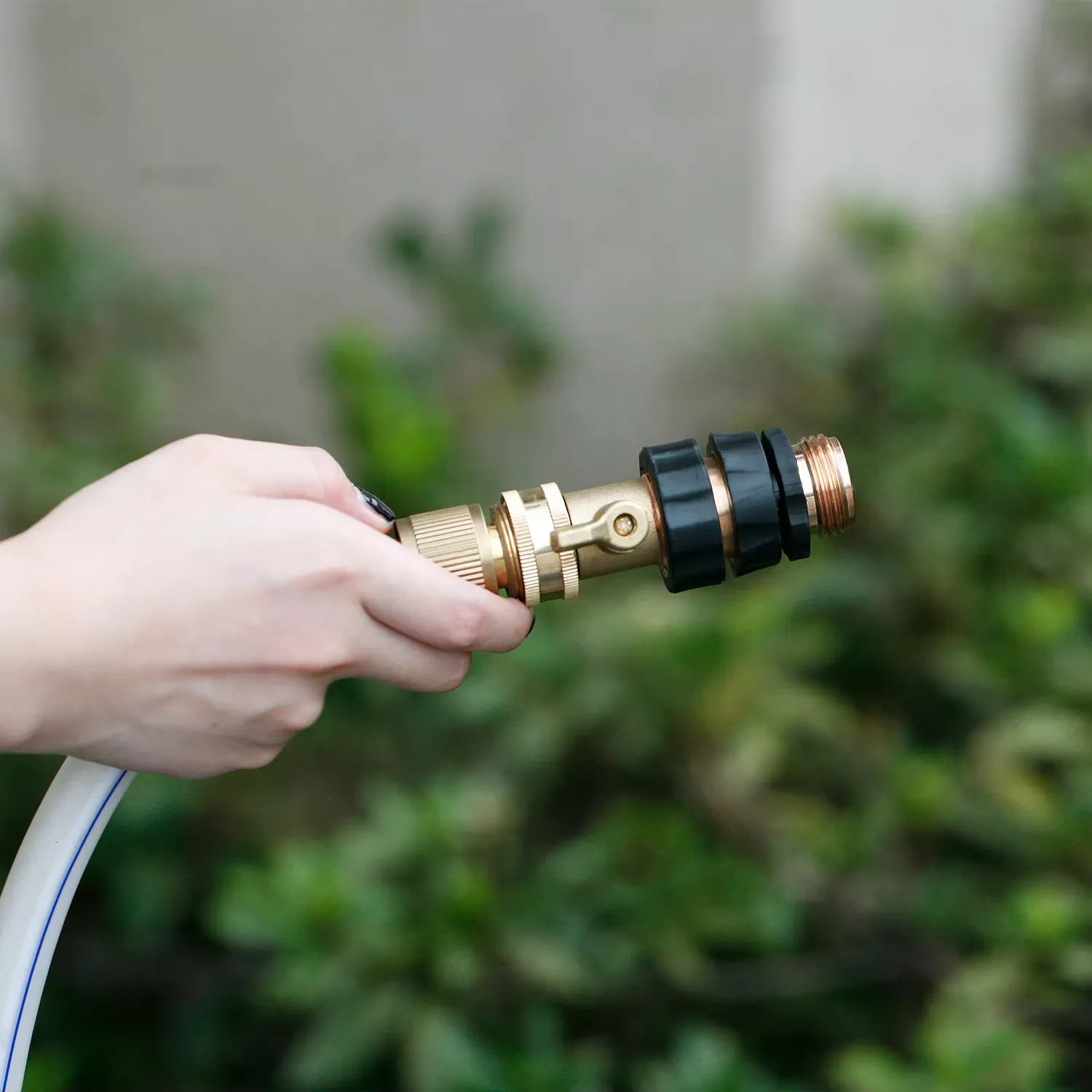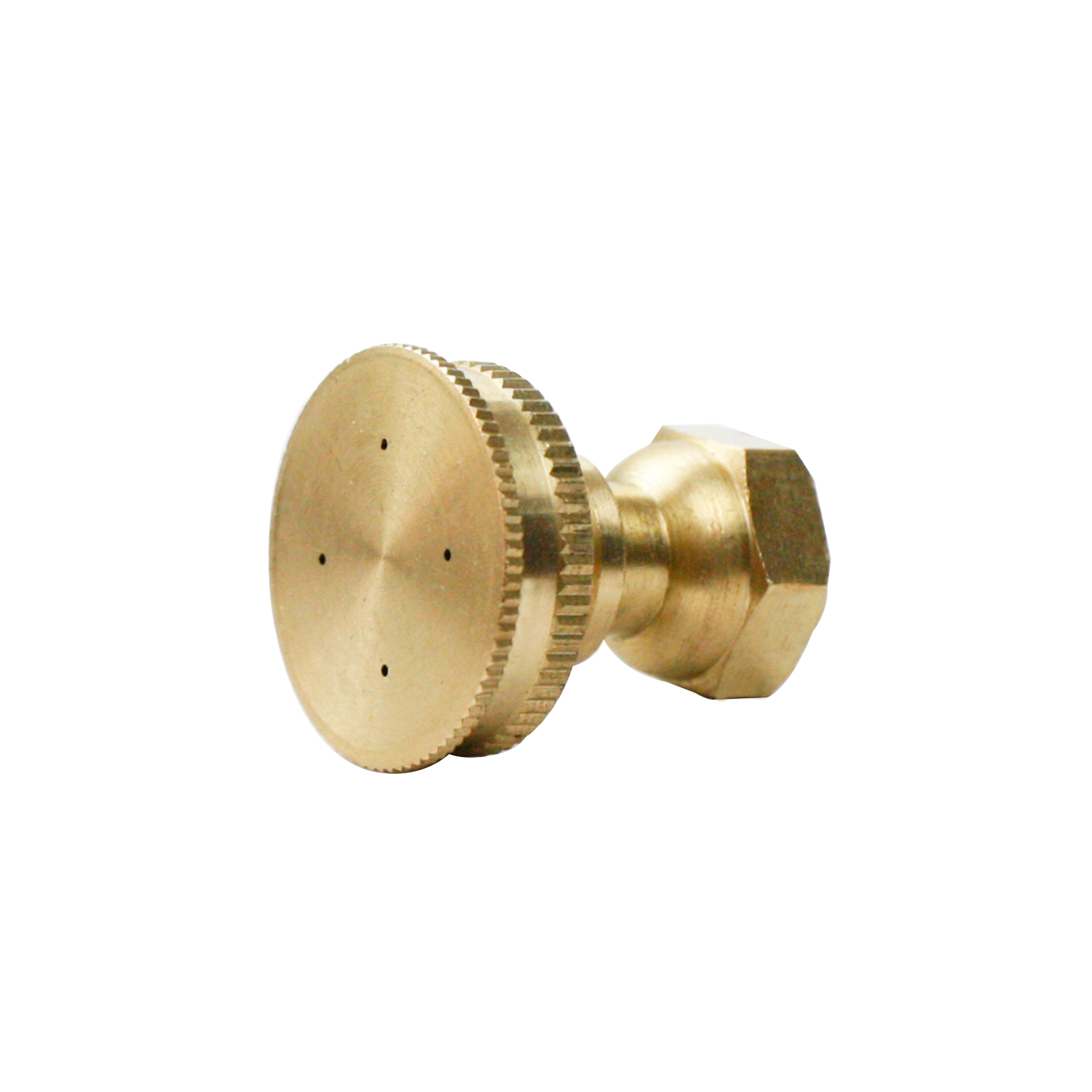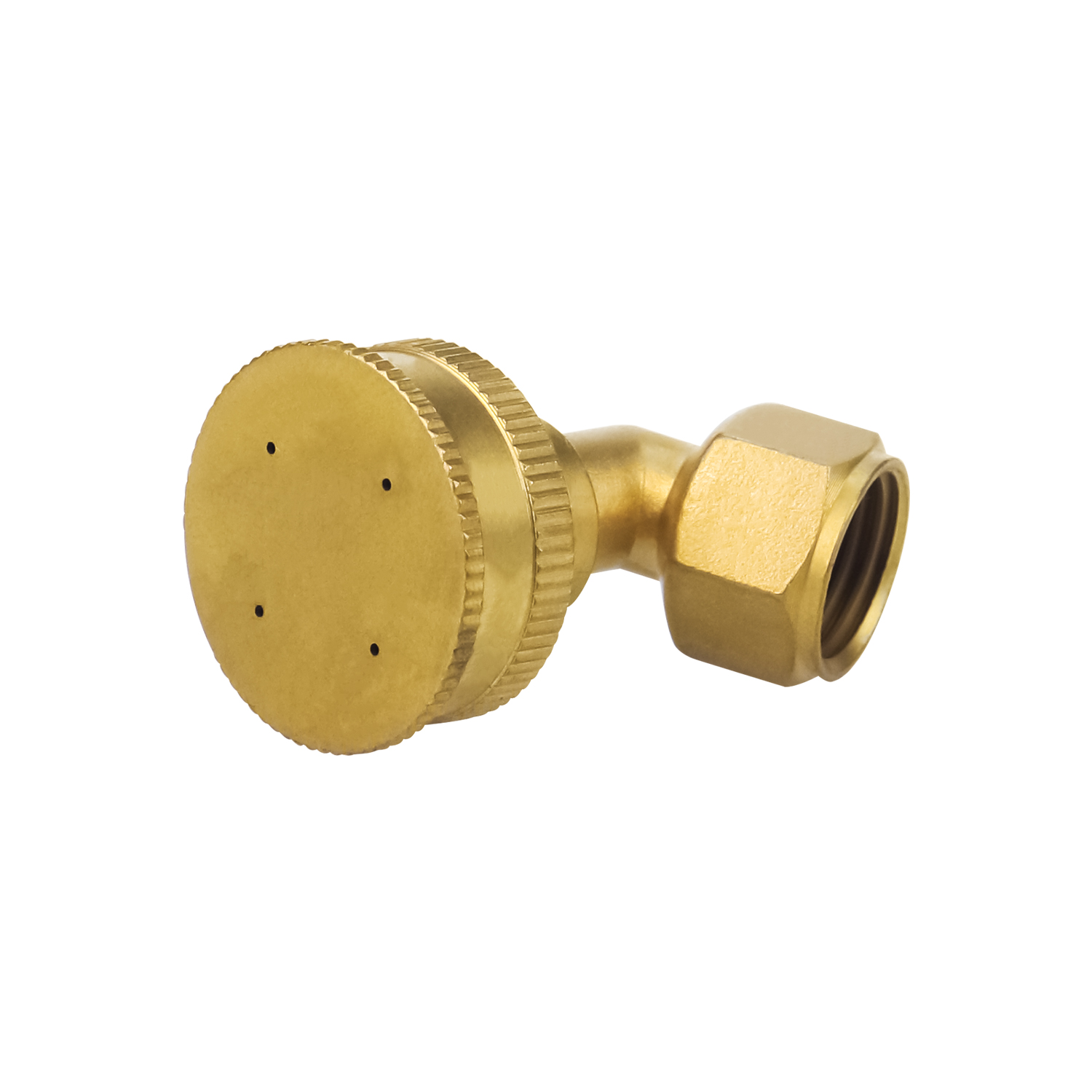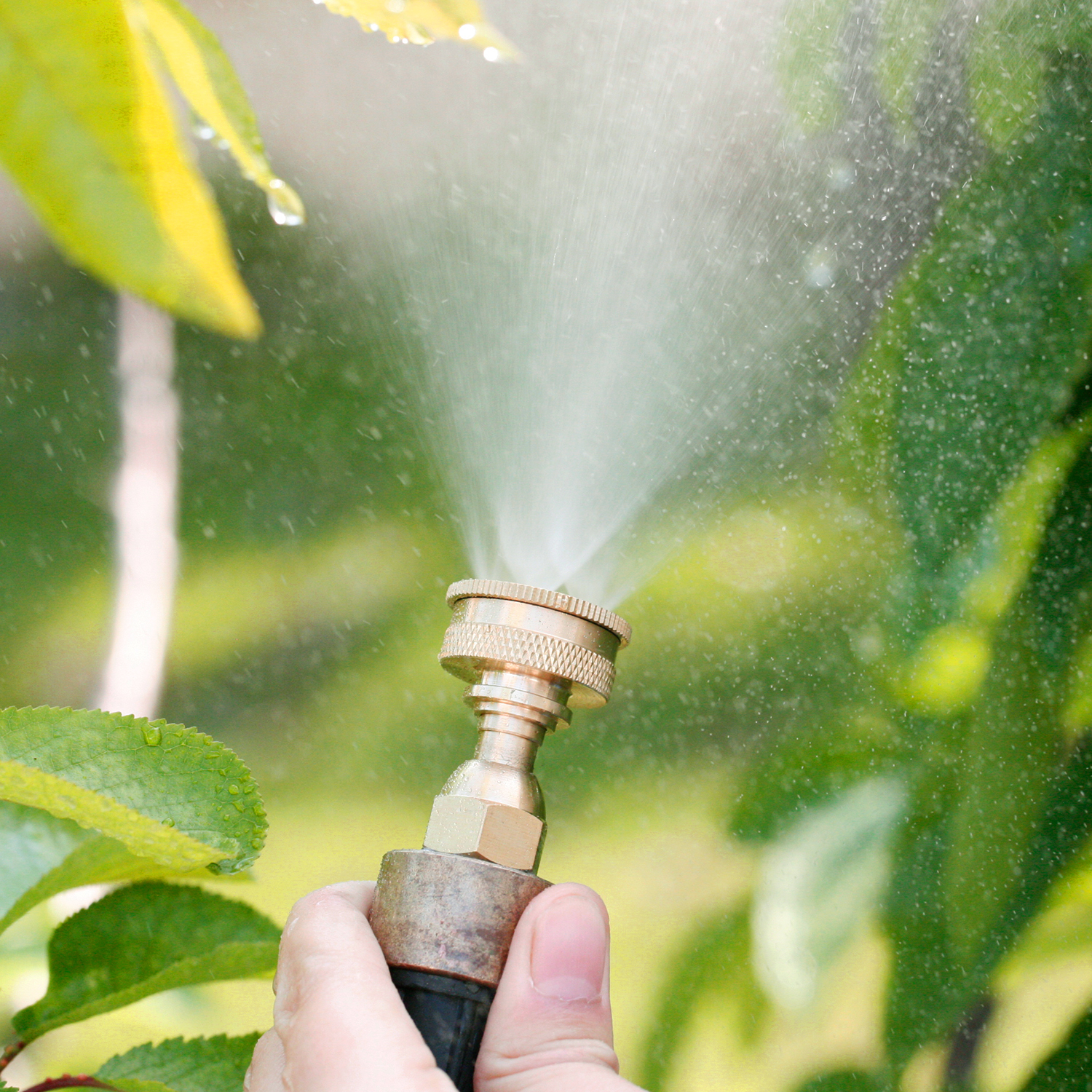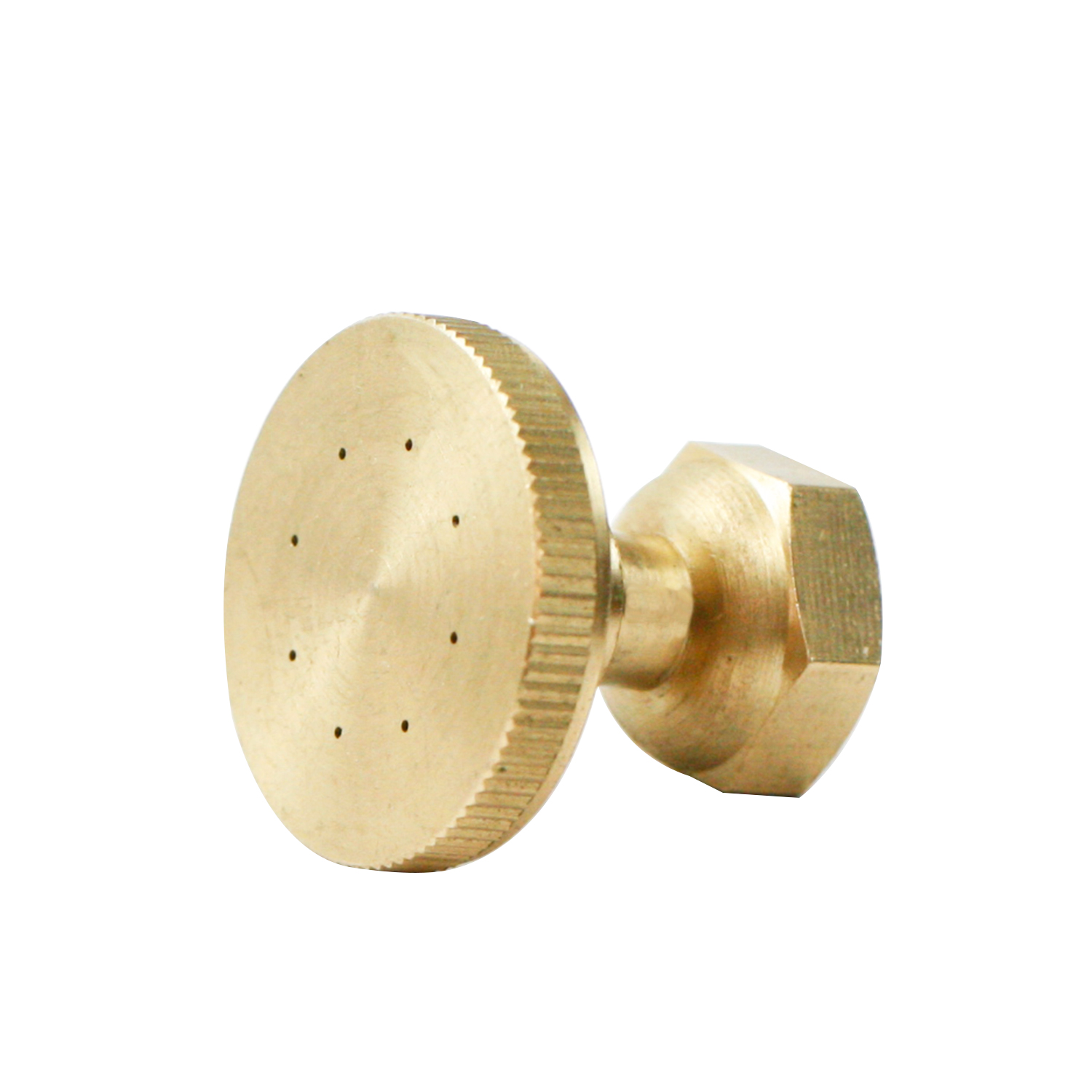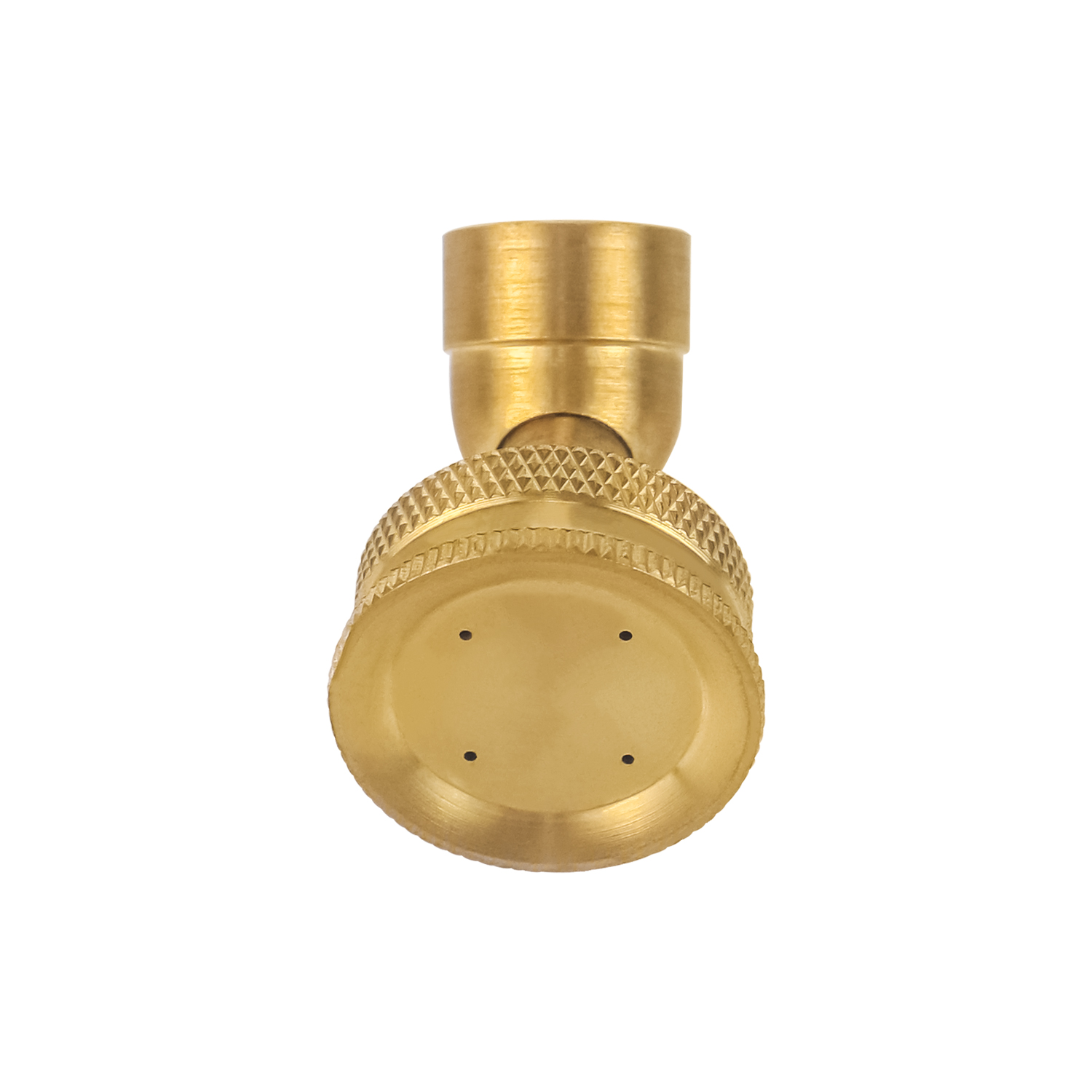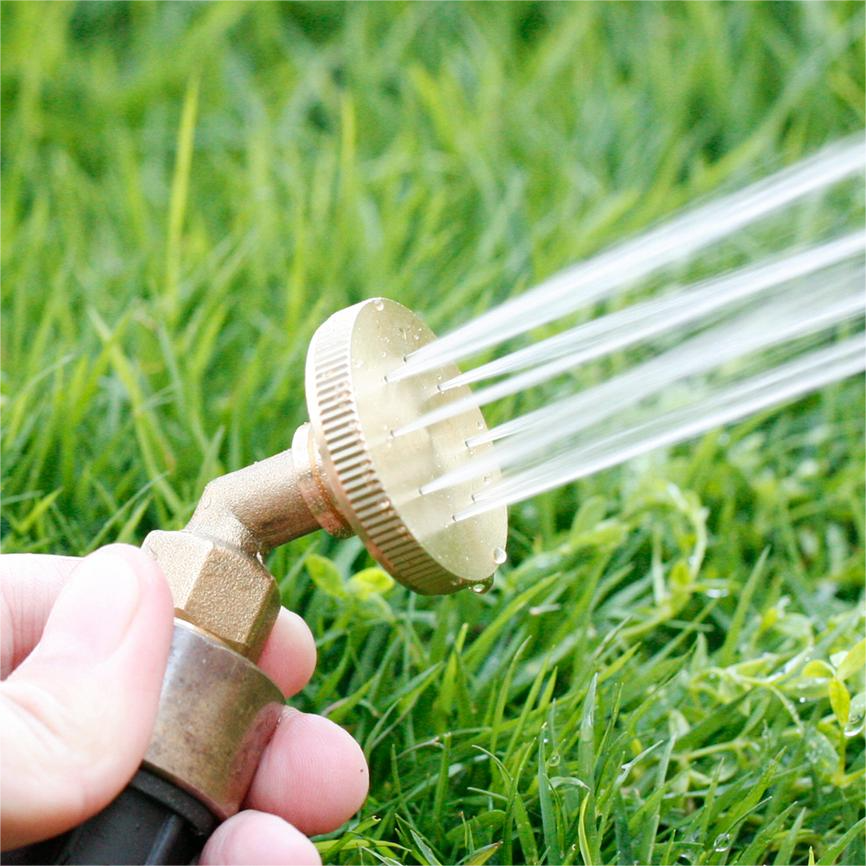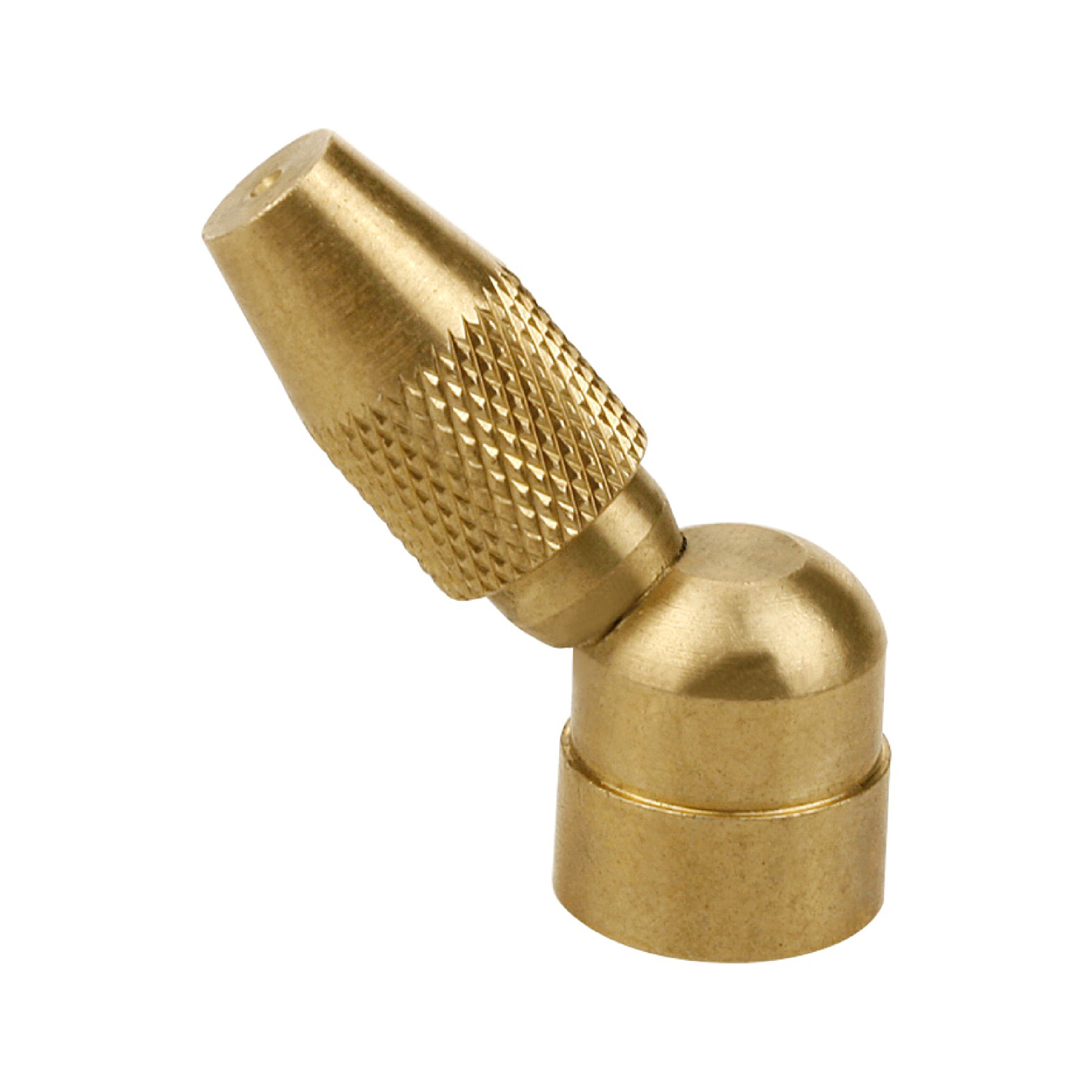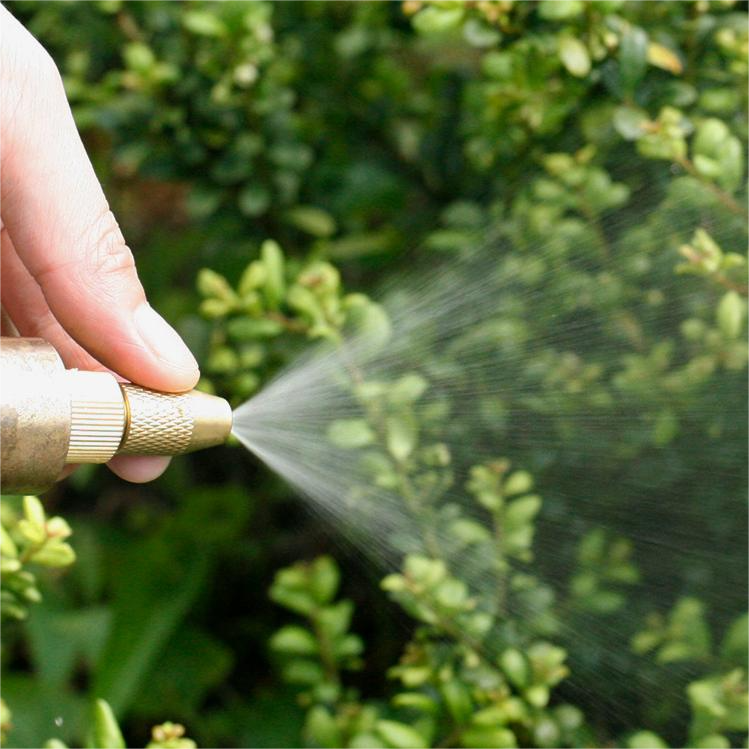

Hengxin’s agricultural sprayer nozzle category shows multi-hole misting and adjustable nozzle forms. Buyers should start with the sprayer, connection and intended application, then compare only the actual listed SKUs. Hole count or a “mist” label cannot establish flow, droplet spectrum or chemical compatibility. Ask for a drawing and test data for the chosen model before approving samples for an OEM sprayer or replacement-parts program.

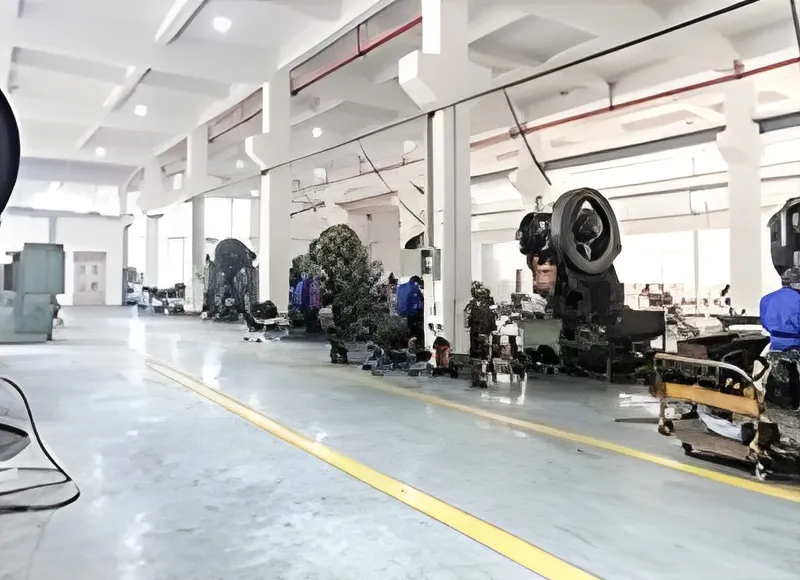
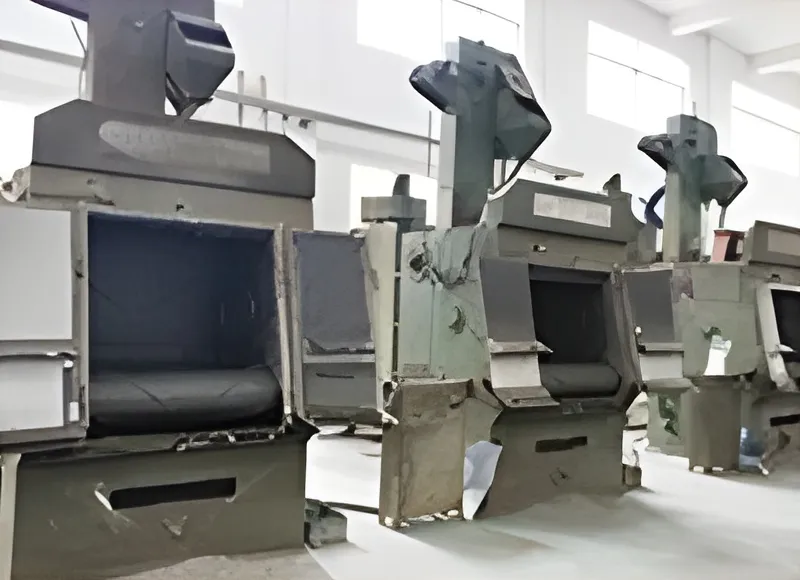
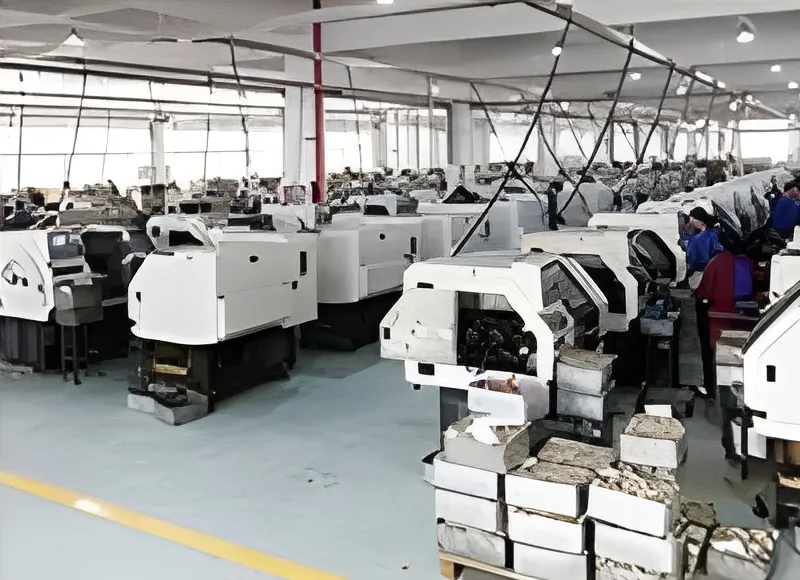
Taizhou Hengxin Valve Technology Co., Ltd. is a comprehensive industry-trade enterprise with 28 years of experience in brass valve manufacturing. We specialize in design, production, and sales of brass valves, pipe fittings, garden irrigation products, and OEM/ODM solutions.
Taizhou Hengxin Valve Technology is an established manufacturer with 28 years of expertise in brass valve systems. We maintain complete vertical integration across our production processes, offering global clients:
The catalog includes several multi-hole and adjustable misting components, with orchard-oriented rotating designs shown in a related category. This does not mean Hengxin makes every nozzle type discussed in agricultural guides. A buyer seeking a fan, air-induction or other specialized spray should first confirm whether a matching SKU actually exists.
Record each candidate part number, its attachment method and the intended machine. Two nozzles with the same number of holes may produce different patterns because hole size, geometry and operating pressure matter. Do not use hole count as a substitute for a flow chart or spray measurement.
Request the connection thread or fit dimension, sealing method, overall size and installed orientation. If an M14 × 1.5 connection is mentioned for one part, do not extend it to the entire range. Supply the mating lance, holder or drawing so the connection can be checked as an assembly.
The liquid formulation, concentration, temperature and cleaning practice matter for material compatibility. Ask for the model-level wetted materials and seal list, then have the buyer’s technical team assess them against the intended liquid. Do not infer resistance to a pesticide, fertilizer or disinfectant from a generic “brass” description. Where use is regulated, the buyer must also check the local application and equipment requirements.
A useful pressure and flow table states the inlet pressure, liquid, temperature, nozzle setting and measurement method for each SKU. Spray images need the same conditions and scale to support comparison. If droplet size or distribution is important, request an appropriate test record rather than inferring it from a close-up photo.
Evaluate samples on the intended sprayer. Check fit, sealing, adjustment range, pattern and cleaning procedure. Record the approved sample and revision before mass production. Batch labeling and traceability requirements should be agreed in the purchase specification, not assumed from a generic website statement.
Install the proposed nozzle on the actual lance or a fixture that reproduces its connection and seal. Check that it seats correctly and can be removed for cleaning without damage. Set the operating pressure and adjustment position used by the buyer’s equipment, then record flow and spray observations. A change in pump, liquid or pressure can change the result, so keep these conditions with the sample record.
Where the application uses a chemical formulation, the buyer’s technical team should review the wetted materials and seals against that formulation and cleaning regime. A brief exposure trial may be useful, but it is not a substitute for a documented compatibility assessment. Do not publish a blanket “chemical resistant” claim based only on a brass appearance.
Mark the approved model, connection and sample revision before ordering. For replacement parts, accurate identification matters as much as the spray photograph: similar multi-hole nozzles may have different threads or internal dimensions. Request traceable batch and inspection information when those records are part of the purchase specification.
When comparing two spray candidates, do not change the nozzle and the test pressure at the same time. Use a consistent fixture and record each adjustment position. This allows the buyer to understand whether an observed difference comes from the nozzle design or the operating setup.
Send the destination market, sprayer or lance drawing, liquid type and operating conditions, desired spray task, candidate nozzle SKUs, sample quantity and expected bulk volume. State which test results you need for approval so the team can confirm whether model-specific data is available.
Use the current listed multi-hole, misting and related orchard nozzle SKUs as a starting point. Confirm any specialized type before planning an assortment.
No. Hole diameter and geometry, setting, pressure and liquid properties also matter. Request a model-specific pressure–flow table.
Check the exact part drawing; one listed connection cannot be applied to every nozzle.
Request them for the selected SKU with test conditions. If they are unavailable, keep performance claims out of the product brief.
Match the stated wetted materials and seals to the actual formulation and cleaning regime, with technical review for the target use.
That is the useful way to check fit and spray behavior. Provide the mating holder or drawing and agree on evaluation criteria.
Provide exact model, configuration, order quantity and packaging so commercial terms can be quoted for the project.
Welcome to discuss your purchasing requirements with our customer service.