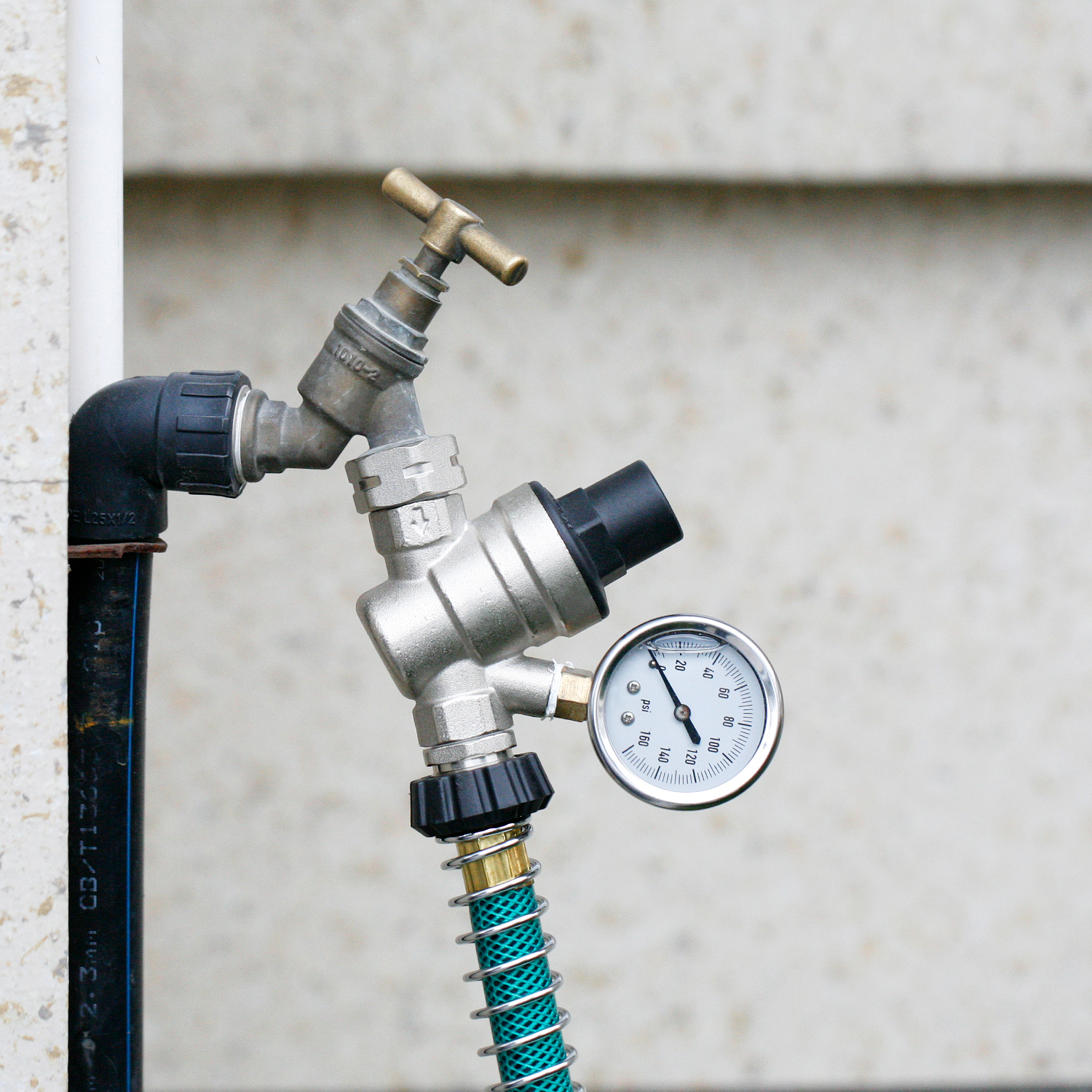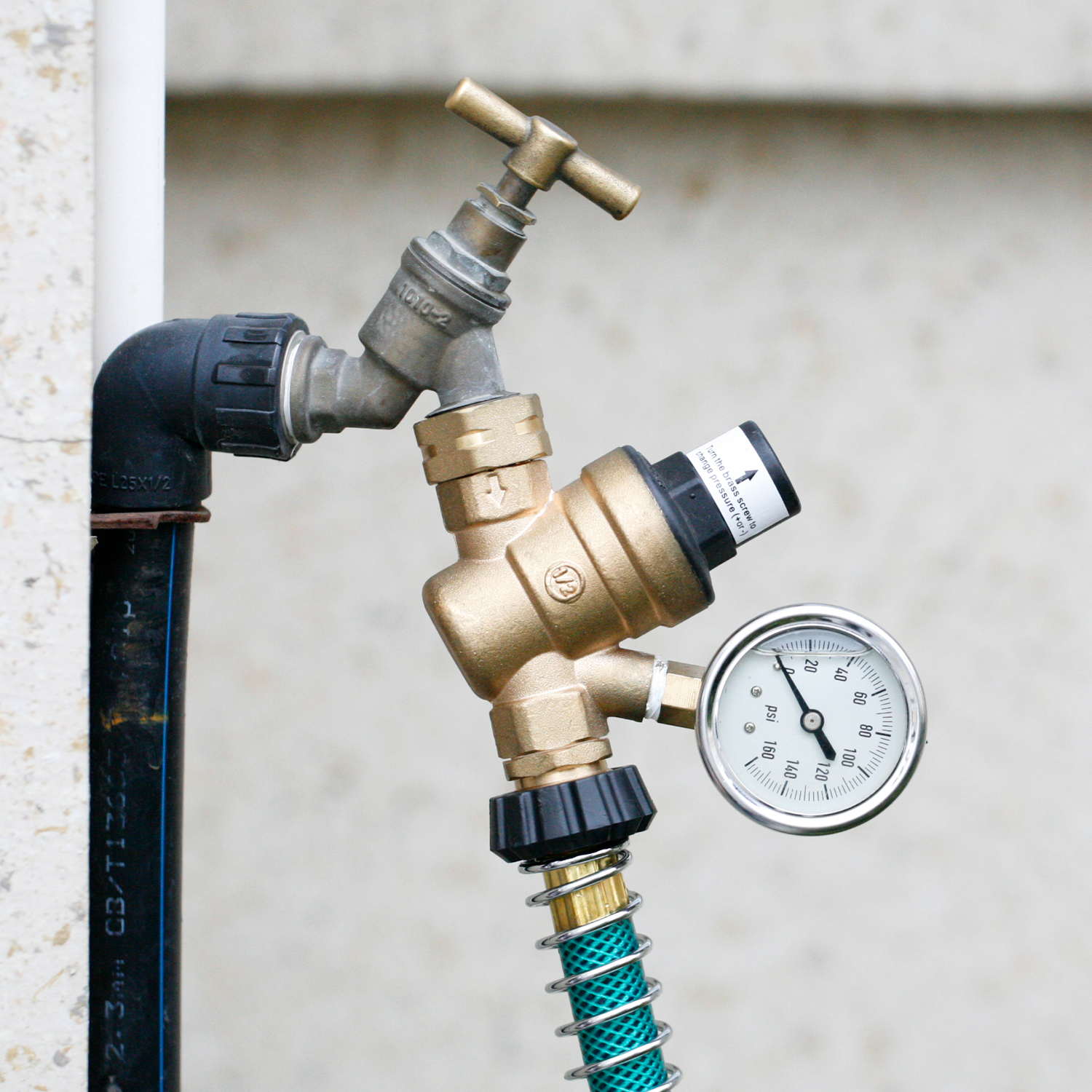

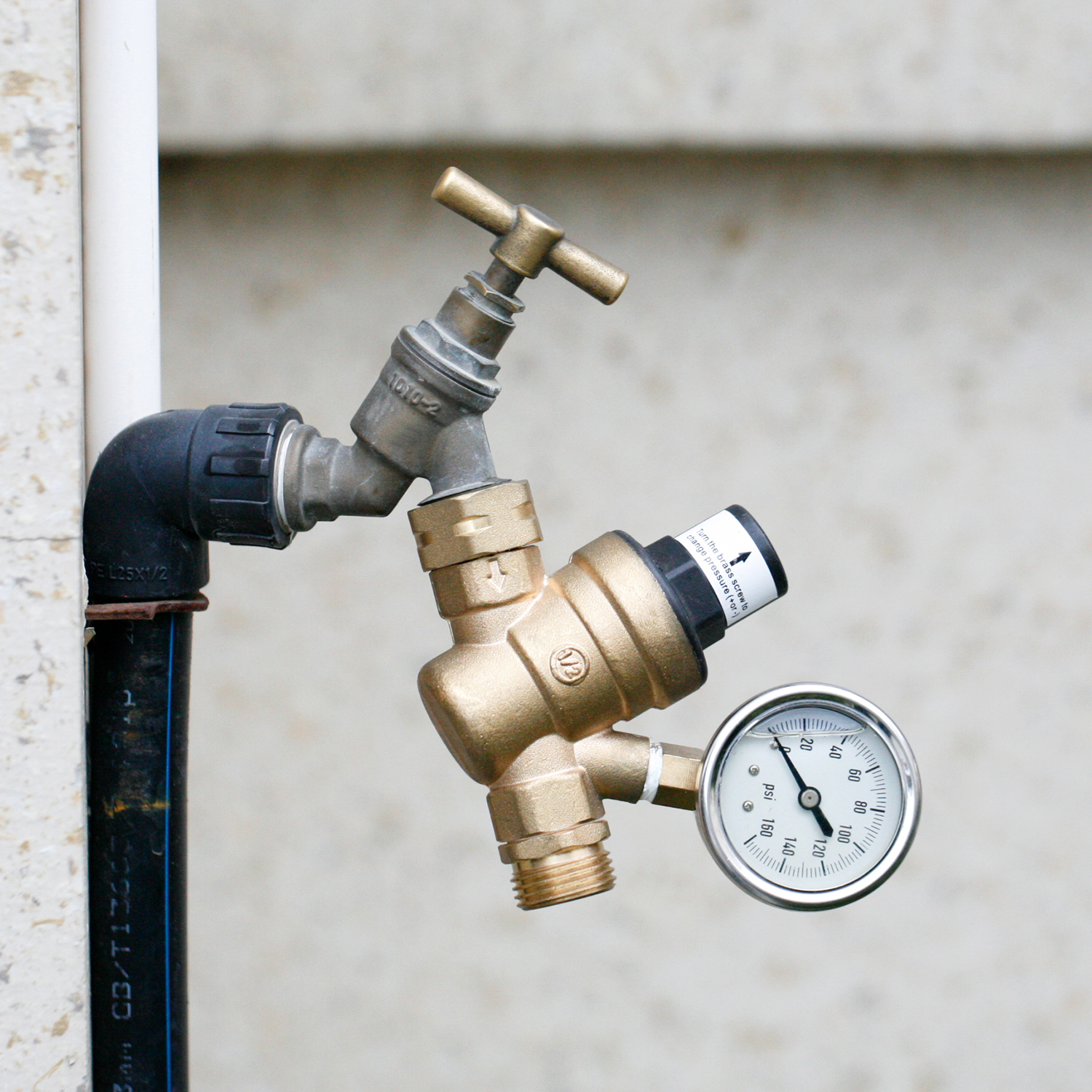
RV water pressure regulators are selected to match the water connection and the downstream system they are meant to protect. Hengxin’s catalog includes fixed and adjustable regulator forms, including a gauge-equipped adjustable model. A gauge scale is not the same as an approved outlet setting or a pressure rating. For an RV accessory range, request the exact model drawing, flow behavior, adjustment information and applicable material evidence before making a safety or drinking-water claim.

Taizhou Hengxin Valve Technology Co., Ltd. is a comprehensive industry-trade enterprise with 28 years of experience in brass valve manufacturing. We specialize in design, production, and sales of brass valves, pipe fittings, garden irrigation products, and OEM/ODM solutions.
Taizhou Hengxin Valve Technology is an established manufacturer with 28 years of expertise in brass valve systems. We maintain complete vertical integration across our production processes, offering global clients:
A fixed regulator aims to provide a predetermined outlet behavior under defined inlet and flow conditions. An adjustable regulator lets the user change a setting within a model-specific range. The actual range, accuracy and stability must come from the model’s documentation and testing. A gauge may help display pressure, but its printed maximum is not a permission to operate at that value.
List whether the intended accessory is for a brand range, a supplied RV kit or replacement distribution. Consider how users will connect, read and adjust it. Evaluate a sample in the intended orientation with the actual hose, filter and downstream equipment.
Confirm inlet and outlet thread specifications, sealing surfaces and the direction of flow. Verify whether an inlet screen exists on the chosen SKU and whether it is removable; do not promise a replaceable screen without a parts list. Request an assembly drawing that shows any gauge port and adjustment access.
Pressure reduction depends on inlet pressure and demand. Ask for test data that records inlet pressure, outlet pressure and flow at several representative points, including no-flow behavior where relevant. A single gauge reading or marketing photograph is insufficient to describe performance. Check leakage and adjustment repeatability on samples using a defined test procedure.
An RV regulator may contact water intended for domestic use. Any claim about lead content, potable-water safety, NSF/ANSI standards or other market compliance needs current evidence for the exact wetted assembly and destination market. A factory management certificate does not certify each regulator for drinking water. If this evidence is unavailable, describe the product’s selection process without making the claim.
Cold-weather storage and cleaning instructions should be based on the specific product design. Avoid promising frost resistance. Confirm whether the regulator must be drained or removed under the conditions expected by the buyer, and obtain the current manufacturer instructions before printing them on retail packaging.
Use the intended RV connection, hose and downstream fixture during sampling. Check the flow direction and whether there is sufficient space to read a gauge or reach an adjustment control. Record inlet pressure, outlet pressure and flow at several demand points. Include a no-flow check if the product documentation calls for it. One static gauge photograph does not establish pressure control under use.
For an adjustable model, document the actual setting method and repeatability within the model’s stated range. Keep the gauge scale separate from maximum working pressure and permissible outlet setting. If the buyer needs a screen, verify its presence, cleaning access and replacement status on the exact part. Test for connection and body leakage under the agreed conditions.
Before a drinking-water or lead-content statement is placed on packaging, review current evidence for every wetted component and the destination market. Retain the approved sample, document revision and test results together so a later material or seal change triggers another review.
Regulator packaging should state connection and operating instructions only after technical review. If an adjustable model has a gauge, show users where to read it and how to avoid treating the end of the printed scale as a recommended setting. Keep service guidance tied to the approved part.
Send the destination market, intended RV water connection, required inlet and outlet conditions, target flow, preferred fixed or adjustable design, quantity and packaging needs. State any potable-water or regulatory requirement explicitly and request model-specific documents for review.
One has a model-defined outlet behavior; the other allows adjustment within a documented range. Compare both under actual inlet pressure and flow conditions.
No. Read the gauge scale separately from the regulator setting range, working pressure and test rating for the exact model.
Ask for inlet and outlet pressure measured at several flow rates under stated test conditions, not a single pressure number.
Only those supported by current documents for the exact model, wetted materials and destination market. Do not generalize from a company certificate.
Check the drawing and spare-part list of the selected SKU before promising replacement.
Request the target SKU and test it with the intended connections, flow demand and adjustment procedure. Terms are quoted per project.
Provide model, required evidence, packaging, quantity and target market so sales can issue a current quotation.
Welcome to discuss your purchasing requirements with our customer service.