
Why Poor SKU and Packaging Planning Can Turn a Private Label into a Costly Inventory Problem
Private-label garden products can create strong brand opportunities, but poor SKU planning often leads to slow-moving inventory, confusing product ranges, and unnecessary packaging costs. A Wholesaler may order too many similar hose splitters without considering outlet configurations, connection standards, or target applications. At the same time, weak packaging can increase damage and reduce shelf appeal. Planning SKUs and packaging together helps importers control inventory, simplify purchasing, and build a private-label range that is easier for customers to understand and for distributors to manage.
A successful private-label hose splitter program should align SKU structure, product specifications, packaging, order quantities, and target markets. Our company supports Customizable OEM and ODM solutions, helping buyers develop practical garden hose splitter ranges with coordinated packaging.
Start with a Clear SKU Strategy
SKU planning should begin before packaging artwork or bulk production. The goal is to create enough product variety to meet customer needs without creating unnecessary inventory complexity.
Define the Core Product Families
A garden hose splitter range can be organized according to outlet count, connection specifications, materials, valve configuration, and intended application.
- 2-way garden hose splitter
- 4-way garden hose splitter
- Standard residential models
- Premium brass models
- Different connection standards
- Different handle or valve configurations
For a Manufacturer and Supplier, organizing these variations into clear product families makes production and communication easier. For a Wholesaler, it simplifies purchasing and inventory management.
| SKU Variable | Possible Options | Planning Consideration |
|---|---|---|
| Outlet count | 2-way, 4-way | Match different watering requirements |
| Material | Brass, plastic, mixed construction | Match target price and positioning |
| Connection | Different regional standards | Separate incompatible specifications |
| Valve configuration | Individual or shared control | Match user requirements |
| Embalagem | Retail, bulk, private label | Match sales channel |
How Many SKUs Should a Private-Label Brand Launch?
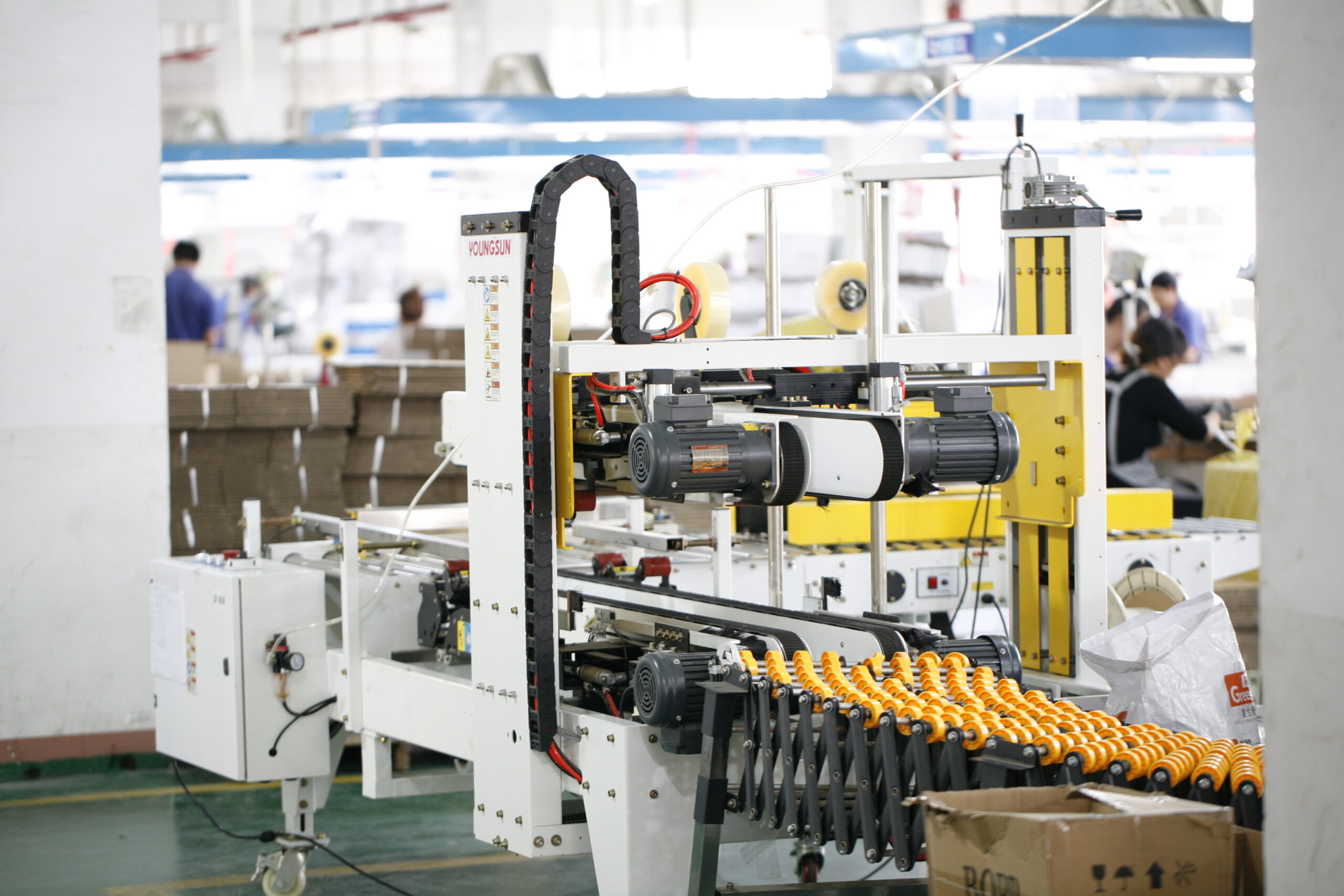
More SKUs do not automatically mean a stronger product line. Too many similar products can divide purchasing volume and increase inventory risk.
Build a Core SKU Structure
A practical approach is to start with a small number of products that cover the most important applications, then expand according to actual market feedback.
- Identify the main customer groups.
- Define the most common garden hose applications.
- Select the core splitter configurations.
- Separate products with genuinely different functions.
- Reserve additional variations for future expansion.
Use Product Differentiation Carefully
Minor cosmetic changes do not always justify a separate SKU. A new SKU should ideally provide a meaningful difference in function, market compatibility, price positioning, or customer demand.
- Different outlet configuration
- Different connection standard
- Different material or durability level
- Different control mechanism
- Different retail packaging
Packaging Should Match the Product Positioning
Packaging is part of the private-label product strategy. It protects the product during transportation while communicating important information to retailers and end users.
Key Packaging Information
- Private-label brand name
- Product name and model number
- Connection specifications
- Number of outlets
- Material information where relevant
- Basic application instructions
- Barcode or SKU identification
- Country-specific labeling requirements
For international buyers, packaging should be designed around the target market rather than simply translating existing artwork.
Retail Packaging vs Bulk Packaging
Retail products generally require stronger visual communication and individual protection. Bulk products can prioritize efficient packing, carton utilization, and warehouse handling.
| Packaging Type | Main Objective | Best Suited For |
|---|---|---|
| Individual retail packaging | Protection and shelf presentation | Retail stores and e-commerce |
| Bulk packaging | Transport efficiency and lower packaging cost | Wholesale distribution |
| Private-label retail packaging | Brand recognition and product communication | Branded consumer products |
How Packaging Design Influences Logistics Costs
Packaging decisions affect more than appearance. Box dimensions, material selection, and packing quantity can influence shipping efficiency and warehouse requirements.
Important Logistics Factors
- Product dimensions
- Individual package dimensions
- Carton quantity
- Carton dimensions
- Gross and net weight
- Stacking requirements
- Protection against impact and moisture
A Manufacturer can help buyers evaluate packaging together with product dimensions. This is especially useful when developing multiple SKUs that need to share packaging structures or carton configurations.
Keep SKU Identification Simple and Consistent
A clear SKU coding system helps buyers, warehouses, sales teams, and customers distinguish similar products.
What a SKU Can Identify
- Product family
- Outlet configuration
- Material
- Connection specification
- Color or finish
- Packaging type
For example, a private-label brand can use a consistent internal coding structure to distinguish a 2-way model from a 4-way model without relying only on product photographs.
Why Consistency Matters
Inconsistent SKU naming can cause purchasing errors, incorrect packaging, warehouse confusion, and customer service problems. The Supplier and buyer should confirm the final SKU list before production begins.
Plan MOQ and Inventory by SKU
Private-label buyers should understand that every additional SKU can affect purchasing quantities, packaging materials, production planning, and inventory.
Questions to Discuss with Your Supplier
- What is the MOQ for each product?
- Does each packaging design require a separate MOQ?
- Can several SKUs share common components?
- Can packaging materials be ordered separately?
- What is the expected lead time for customized packaging?
- Can samples be provided before bulk production?
Combining common components across several models can sometimes simplify purchasing while preserving meaningful product differentiation.
OEM and ODM Options for Private-Label Hose Splitters
OEM and ODM cooperation gives distributors greater control over their private-label product range. The appropriate approach depends on whether the buyer already has a defined design or needs support developing the product.
OEM Private Label
With OEM cooperation, buyers can use an existing product specification while customizing branding, packaging, and selected product details according to the agreed requirements.
ODM Product Development
ODM cooperation can provide greater flexibility for buyers seeking changes to structure, outlet configuration, handles, materials, or other product characteristics.
Potential Customizable Features
- Product dimensions
- 2-way or 4-way configuration
- Material selection
- Valve and handle design
- Logo application
- Acabamento da superfície
- Retail packaging
- Carton markings
Our company supports Customizable OEM and ODM projects for international buyers seeking coordinated product and packaging solutions.
Private-Label Packaging Checklist Before Mass Production
- Confirm the final SKU list.
- Confirm product specifications for every SKU.
- Check connection standards and labeling.
- Approve packaging dimensions.
- Approve artwork and brand information.
- Confirm barcode and SKU information.
- Review sample packaging.
- Confirm carton quantity and shipping marks.
- Aprovar a especificação final de produção.
Build a Private-Label Range That Is Easy to Sell and Manage
Effective SKU and packaging planning can reduce inventory complexity while creating a clearer private-label product range. Contact our team to discuss Customizable garden hose splitter products, OEM and ODM packaging, and a practical SKU structure for your market.