

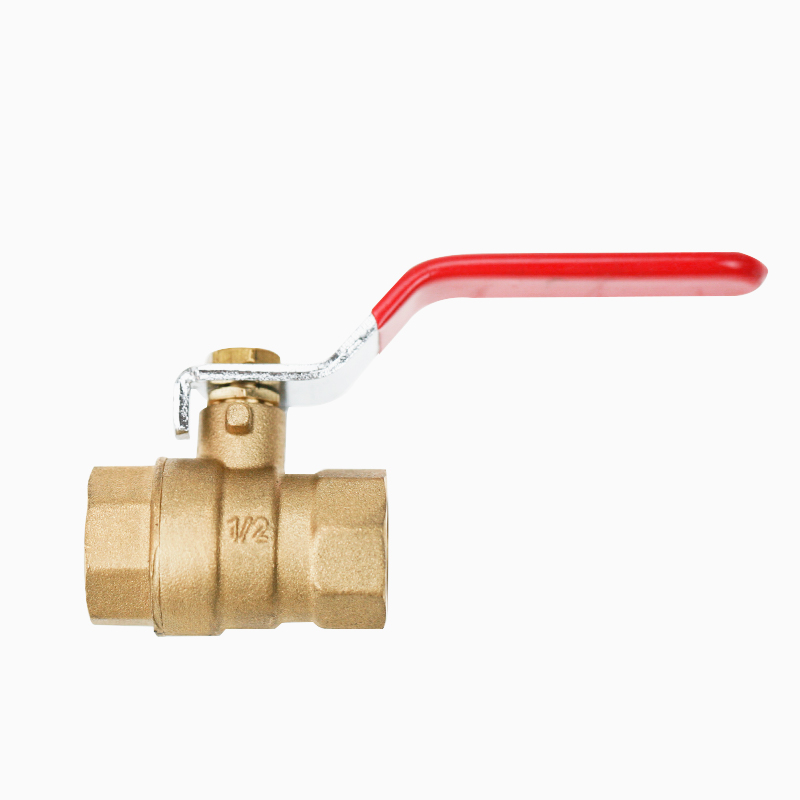
Hengxin lists brass ball valves for water-related hardware applications. The visible category contains different nominal sizes and handle forms, but a size label does not establish the actual port diameter, connection standard or pressure rating. Industrial and plumbing buyers should identify the medium, operating conditions and applicable market requirements before choosing a model. Request a part-specific drawing and bill of materials rather than relying on a category-wide claim.

Taizhou Hengxin Tecnologia de Válvulas Ltda. é uma empresa industrial e comercial com 28 anos de experiência em válvula de latão fabrico. Somos especializados em conceção, produção e venda de válvulas de latão, acessórios para tubos, produtos para irrigação de jardins e OEM/ODM soluções.
Taizhou Hengxin Valve Technology é um fabricante estabelecido com 28 anos de experiência em sistemas de válvulas de latão. Mantemos uma integração vertical completa nos nossos processos de produção, oferecendo aos clientes globais:
Start with the system diagram: what fluid passes through the valve, at what temperature and pressure, and how often it will be operated. Identify both end connections, thread standard, nominal size and sealing method. A 1/2-inch or 3/4-inch product title is only a starting point. The actual drawing should confirm dimensions and whether the interface is intended for hose or pipe service.
Ball valves are commonly used for on/off isolation, but the suitability of a specific part for throttling, gas, potable water or other duty cannot be assumed. State the intended service in the inquiry so technical staff can confirm whether a listed model is appropriate.
A “full port” designation requires a measured port and comparison with the applicable connection bore. Ask for the minimum flow passage of the selected SKU rather than inferring it from the external body. Review handle length and movement in the installation space, including nearby walls or equipment.
Request the body, ball, stem, seat, seal and handle materials by part number. A statement that a valve is brass does not define every wetted component. Material and seal selection should be reviewed against the intended medium and temperature. Where corrosion, dezincification or drinking-water contact matter, request the applicable model-level evidence.
Pressure and temperature ratings must be read together and connected to the exact valve configuration. An isolated high-pressure number from another model is not a safe basis for selection. Request a technical data sheet, dimensional drawing and relevant shell, seat or leakage test records with method and acceptance criteria.
Sampling should include connection fit, handle operation and sealing checks under representative conditions. If the buyer requires a named product standard or certification, confirm scope and validity for the selected SKU and market. ISO management-system certificates alone do not prove product compliance.
Create one line per proposed SKU with end connections, actual port, body and seat materials, handle dimensions, pressure–temperature rating and intended medium. Leave any unsupported field blank for engineering to confirm; do not copy a rating from a similar-looking valve. Review whether the buyer needs an isolation valve or a product designed for controlled throttling, and select accordingly.
Install samples with the intended mating fittings. Check whether the handle can travel fully in the real equipment space and whether the valve can be operated without stressing the pipework. Run shell and closure tests only with an agreed method and record the results for that part number. A sample passing one informal water check is not a substitute for a documented product qualification.
For a regulated application, attach the certificate or test report that names the relevant model and market. Keep the approved drawing and material list with the purchase order. This prevents a later seal or thread change from silently altering the basis for the buyer’s compliance decision.
For multi-model orders, ensure carton labels preserve the part number and thread variant. Similar valve bodies can hide different ports or seat materials. The incoming inspection plan should compare the delivered configuration with the approved sample and drawing, rather than checking appearance alone.
Provide the destination country, medium, pressure and temperature range, end-connection drawings, required port size, operation frequency, quantity and any certification requirement. Ask for a quote tied to an identified model and approved specification rather than a generic ball-valve description.
Use the live SKU list as a starting point and ask for current drawings and availability. Do not extrapolate sizes from the category name.
Confirm measured port dimensions for the exact SKU. An external size or marketing label is not enough.
Request inlet and outlet callouts on the model drawing and specify the intended mating fittings and market.
Use the model-specific data sheet and test evidence for the exact materials and seal arrangement.
Potable water, gas and other regulated services may require market- and model-specific evidence. State the application for review before claiming suitability.
Request the exact model and test it with the intended mating connection and duty conditions under an agreed plan.
Ask for identified shell, seat or leakage tests, dimensions and material records with method, conditions and date.
Bem-vindo a discutir as suas necessidades de compra com o nosso serviço de apoio ao cliente.


