
Brass vs Aluminum vs Plastic Hose Splitters: A Buyer Comparison
Why the Wrong Hose Splitter Material Can Increase Your Costs
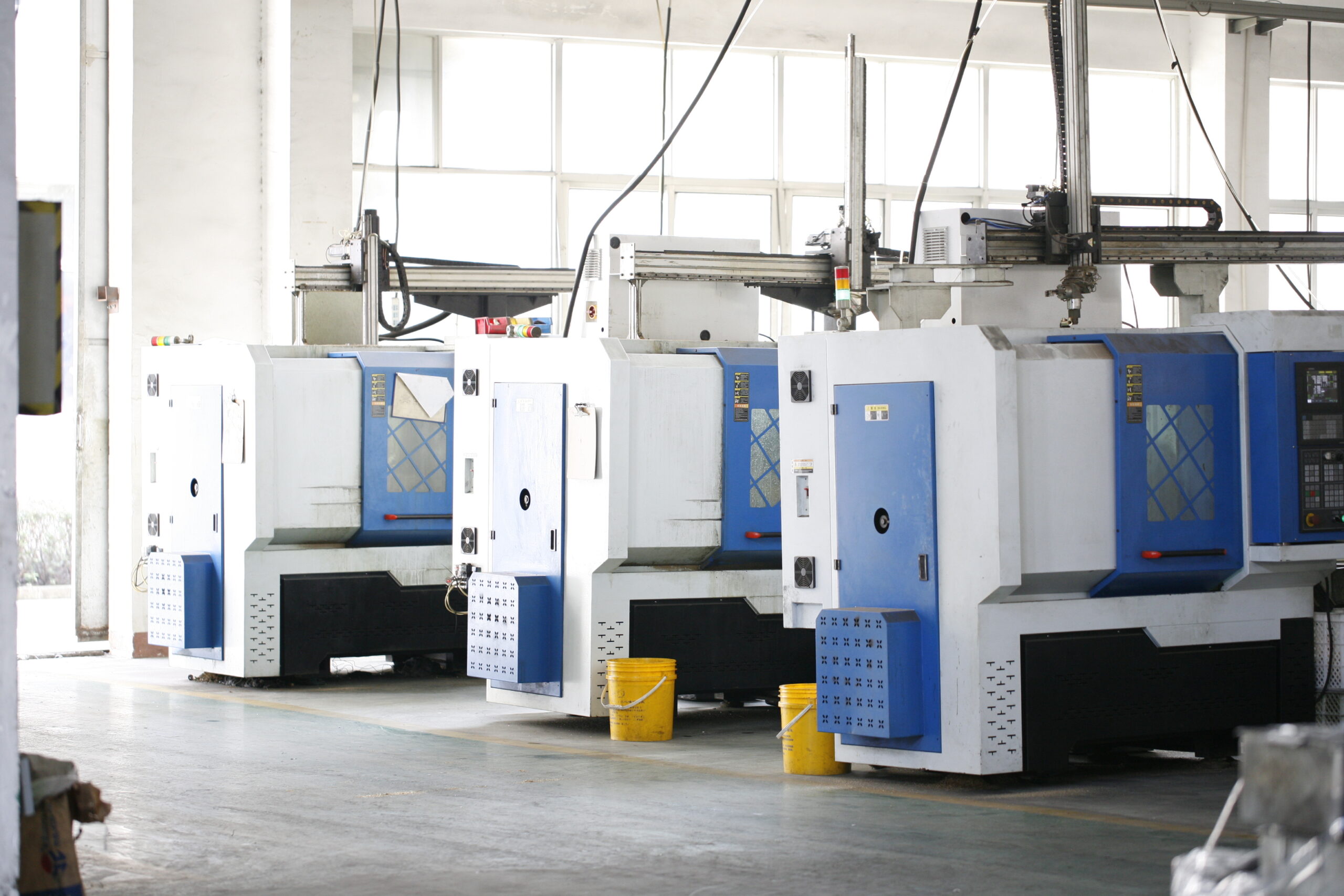
Choosing between brass, aluminum, and plastic hose splitters can directly affect product durability, customer satisfaction, and return rates. A low-cost material may look attractive during quotation, but poor thread strength, cracking, corrosion, or weak sealing can create problems after installation. For importers and Wholesalers, these failures can damage margins and brand reputation. Comparing material performance, application requirements, manufacturing consistency, and customization options before placing a bulk order helps buyers select a product that matches both market expectations and actual usage conditions.
Brass offers a strong balance of durability, thread strength, and premium positioning; aluminum provides lower weight, while plastic can reduce cost. Our company helps buyers select and develop Customizable hose splitters through OEM and ODM cooperation according to application, market, and budget requirements.
1. Brass vs Aluminum vs Plastic: What Is the Basic Difference?
Each material has a different balance of strength, weight, cost, appearance, and application suitability. There is no single material that fits every market or customer segment.
| Matériau | Strength | Poids | Cost Position | Typical Market Position |
|---|---|---|---|---|
| Brass | High | Higher | Medium to Premium | Durable and premium products |
| Aluminum | Medium to High | Low | Medium | Lightweight products |
| Plastic | Low to Medium | Very Low | Low | Economy and lightweight products |
For a Supplier serving multiple market segments, offering different material options can make it easier to meet different price points and application requirements.
2. Why Do Buyers Choose Brass Hose Splitters?
Brass is widely used for water-control components and hose fittings because it combines mechanical strength, machinability, and a solid appearance. For buyers looking for a product with a more substantial feel and durable threaded connections, brass can be a practical choice.
Key Advantages of Brass
- Good mechanical strength.
- Strong and durable threaded connections.
- Suitable for precision machining.
- Good resistance to many common outdoor conditions.
- Premium appearance and product feel.
- Suitable for many valve and hose fitting designs.
Brass is particularly useful when the splitter will be frequently connected and disconnected. Thread durability becomes more important when customers repeatedly install different hoses or accessories.
When Should Wholesalers Consider Brass?
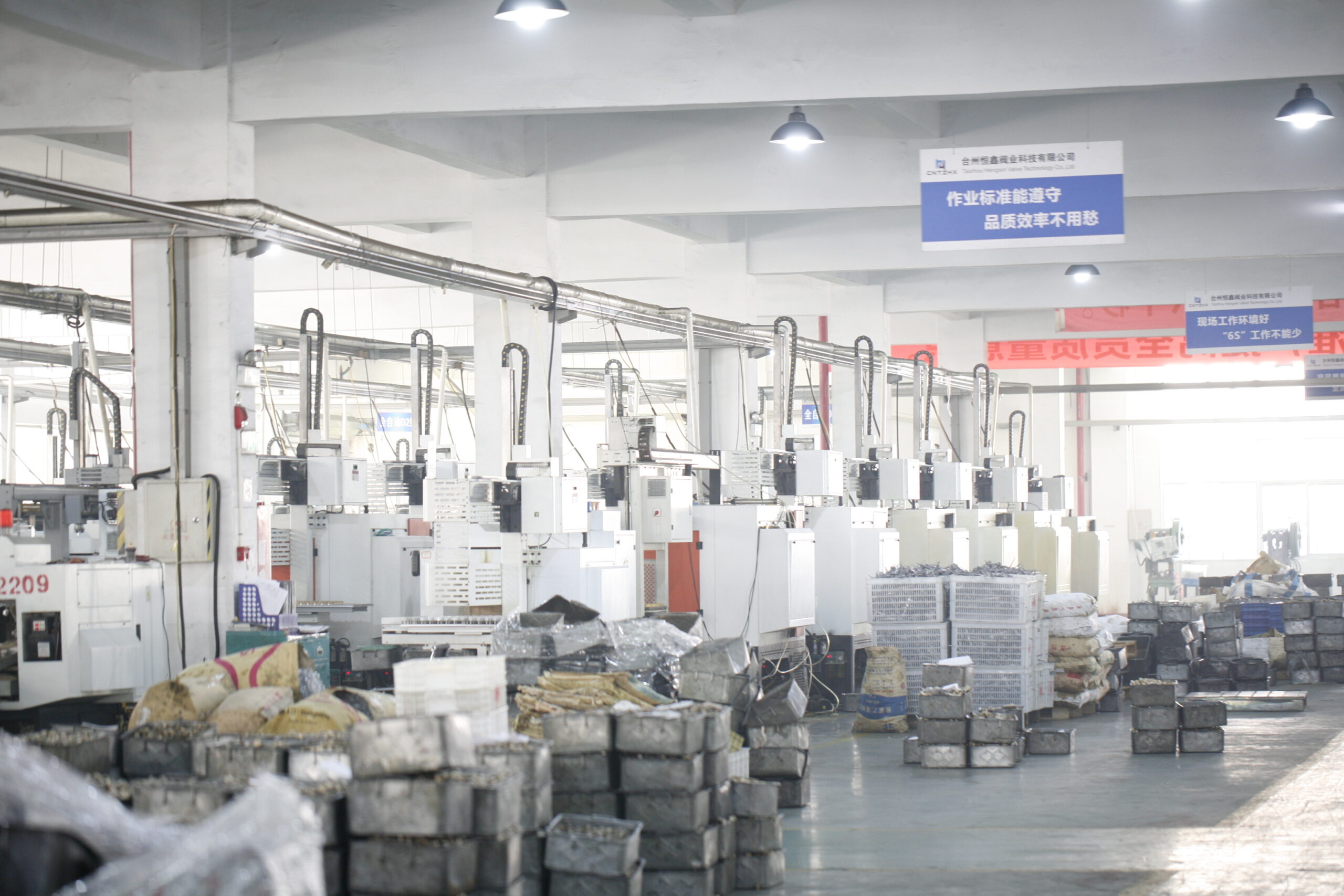
- Premium garden irrigation products.
- Products designed for repeated use.
- Private-label garden hardware.
- Markets where durability is a major purchasing factor.
- Product ranges that already include brass components.
Related products such as a brass ball valve and garden hose adapter can also be developed using compatible material and finish strategies to create a consistent product range.
3. What Are the Advantages of Aluminum Hose Splitters?
Aluminum offers a useful combination of relatively low weight and mechanical strength. For distributors that need lightweight products for transportation, handling, or specific outdoor applications, aluminum can be worth considering.
Benefits of Aluminum
- Lower weight than brass.
- Suitable for applications where weight matters.
- Good machining and forming possibilities.
- Can support different surface finishes.
- Useful for products positioned between basic plastic and heavier metal designs.
However, buyers should evaluate the exact alloy, manufacturing process, surface treatment, and connection design. Material name alone does not determine finished-product performance.
4. When Does Plastic Make Sense?
Plastic hose splitters can be attractive for buyers targeting low-cost, lightweight, and high-volume products. They may also offer greater flexibility in certain molded designs.
Potential Advantages of Plastic
- Low product weight.
- Competitive manufacturing cost.
- Suitable for high-volume production.
- Flexible design possibilities for molded components.
- Easy handling for consumers.
However, plastic selection requires careful attention to the material grade and product design. Outdoor exposure, impact, temperature changes, thread wear, and water pressure can affect performance depending on the specific plastic and construction.
5. How Does Material Affect Threads and Connections?
Connection reliability is a critical issue for any garden hose splitter. Buyers should consider how often customers will install and remove the product and what type of hose or faucet will be connected.
- Brass generally provides strong threaded connections and good resistance to repeated mechanical handling.
- Aluminum can provide lightweight metal construction but requires appropriate design and surface treatment.
- Plastic can be effective for suitable applications but may require careful thread design to reduce wear or damage.
Buyers should confirm the required connection standard, dimensions, and compatibility before production. The same principle applies when selecting a garden hose adapter.
6. Which Material Is Better for Outdoor Garden Irrigation?
The answer depends on the intended operating conditions. Outdoor irrigation can expose products to water, sunlight, temperature variation, impact, and repeated handling.
| Application Factor | Brass | Aluminum | Plastic |
|---|---|---|---|
| Repeated Connection | Generally suitable | Generally suitable | Depends on design and material |
| Lightweight Requirement | Less suitable | Suitable | Highly suitable |
| Premium Appearance | Strong option | Good option | Depends on design |
| Economy Positioning | Less suitable | Moderate | Strong option |
| Thread Durability | Strong option | Suitable with proper design | Application dependent |
Rather than choosing purely by material reputation, buyers should match the splitter construction with the actual use environment and target customer.
7. What Should a Wholesaler Check Before Ordering?
A wholesale buyer should evaluate more than the material listed on the quotation. The complete product specification determines the actual value of the order.
- Define the target application.
- Confirm material grade and construction.
- Check inlet and outlet dimensions.
- Confirm thread standards and hose compatibility.
- Evaluate valve and sealing components.
- Review surface finish requirements.
- Request samples when appropriate.
- Confirm inspection and testing requirements.
- Calculate packaging and transportation costs.
- Approve final specifications before mass production.
8. How Do Material Choices Affect Wholesale Pricing?
Material is an important cost factor, but it is not the only one. Machining complexity, component quantity, finishing, packaging, tooling, order volume, and quality requirements can all influence the final quotation.
A useful purchasing comparison should therefore consider total cost rather than simply asking which material has the lowest unit price.
- Material cost
- Machining or molding cost
- Surface treatment
- Valve components
- Emballage
- Tooling for customized products
- Inspection requirements
- Shipping weight and carton volume
9. Can Brass Hose Splitters Be Customized?
Yes. Brass products can provide a flexible platform for private-label and product-development programs. A Customizable design can be adjusted according to the buyers target market and branding requirements.
Common OEM Options
- Logo marking.
- Handle shape and color.
- Surface finish.
- Packaging design.
- Product dimensions.
- Connection configuration.
When Is ODM Useful?
ODM can be useful when a buyer has a market concept but needs technical assistance to develop the final product. The Manufacturer can discuss structure, material, production feasibility, and other design considerations before samples are approved.
- Discuss application and target market.
- Define performance and appearance requirements.
- Select the appropriate material.
- Develop or modify the design.
- Produce samples.
- Approve the final specification.
- Start mass production.
10. How Our Company Helps Buyers Select the Right Material
Our company supports international importers, distributors, and Wholesalers looking for brass valve and garden hose fitting solutions. As a Manufacturer and Supplier, we can discuss standard products as well as OEM, ODM, and Customizable projects.
For buyers comparing brass, aluminum, and plastic hose splitters, we focus on practical factors such as application, connection requirements, expected usage, product positioning, packaging, and order volume. This approach helps buyers select a suitable construction instead of choosing material based only on initial price.
Our product range can also be coordinated with related products such as brass ball valve and garden hose adapter solutions, helping customers develop a more consistent garden irrigation product portfolio.
11. A Simple Decision Process for Buyers
When several material options are available, use the following process to make the purchasing decision:
- Identify the end users primary application.
- Determine whether lightweight construction is important.
- Evaluate expected frequency of connection and use.
- Define the target retail or wholesale price position.
- Confirm connection and thread requirements.
- Compare samples rather than relying only on specifications.
- Review customization, packaging, and production requirements.
- Select the material that provides the best fit for the defined requirements.
Make Your Hose Splitter Sourcing Decision With Clear Requirements
Brass, aluminum, and plastic each serve different market needs. Define application, durability, weight, price, and connection requirements first. Contact our team with your target specifications or sample to discuss suitable standard, OEM, ODM, or Customizable hose splitter solutions.