
Comment un mauvais choix de fabricant peut transformer une commande en gros en un problème d'approvisionnement coûteux
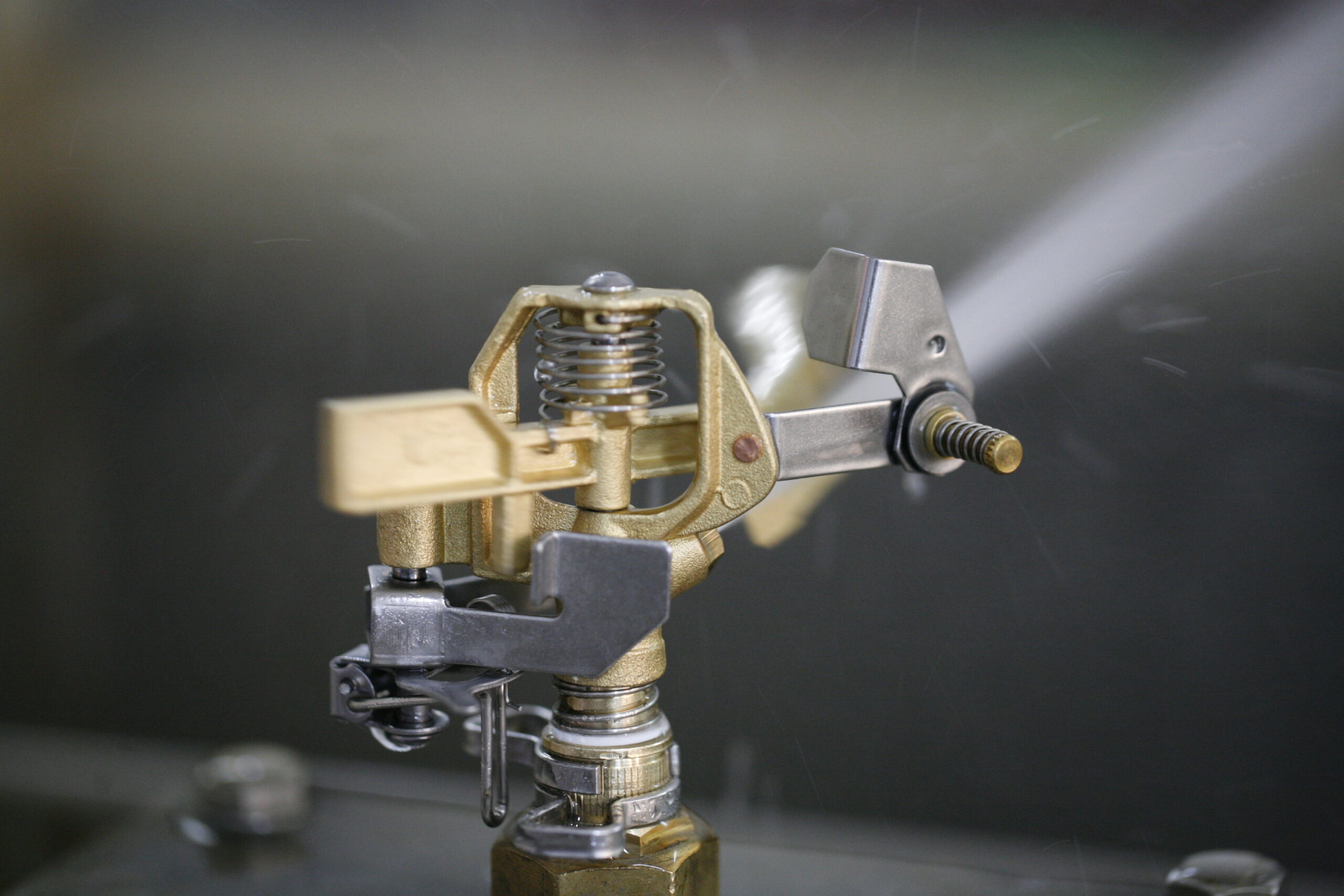
Passer une commande en gros de vannes sans évaluer soigneusement le fabricant peut entraîner de graves problèmes. Des matériaux de qualité inégale, des dimensions instables, des fuites, des retards de livraison et une communication insuffisante peuvent passer inaperçus lors de l’établissement du devis, mais nuire à votre réputation après la livraison. Plus la commande est importante, plus le risque financier est élevé. Cela revêt une importance particulière pour les acheteurs opérant sur les marchés de la plomberie, de l'industrie et de l'irrigation de jardin. La solution consiste à évaluer systématiquement un fabricant de vannes en laiton avant de s'engager dans une production en série, en mettant l'accent sur les capacités de fabrication, le contrôle qualité, la personnalisation, les essais, la livraison et la coopération à long terme.
Que faut-il vérifier avant de choisir un fabricant de vannes en laiton pour une commande en gros ?
Avant de passer une commande en gros, évaluez la capacité de production du fabricant de vannes en laiton, le contrôle des matériaux, son système qualité, ses procédures de contrôle, son assistance en matière d’OEM et d’ODM, la fiabilité de ses livraisons ainsi que la qualité de la communication. Notre entreprise recommande de valider les exigences techniques à l’aide d’échantillons et de cahiers des charges documentés avant de lancer la production en série, afin de réduire les risques liés aux achats et à la qualité.
Commencez par vérifier l'identité du fabricant à l'origine du devis
Fabricant, fournisseur ou société commerciale ?
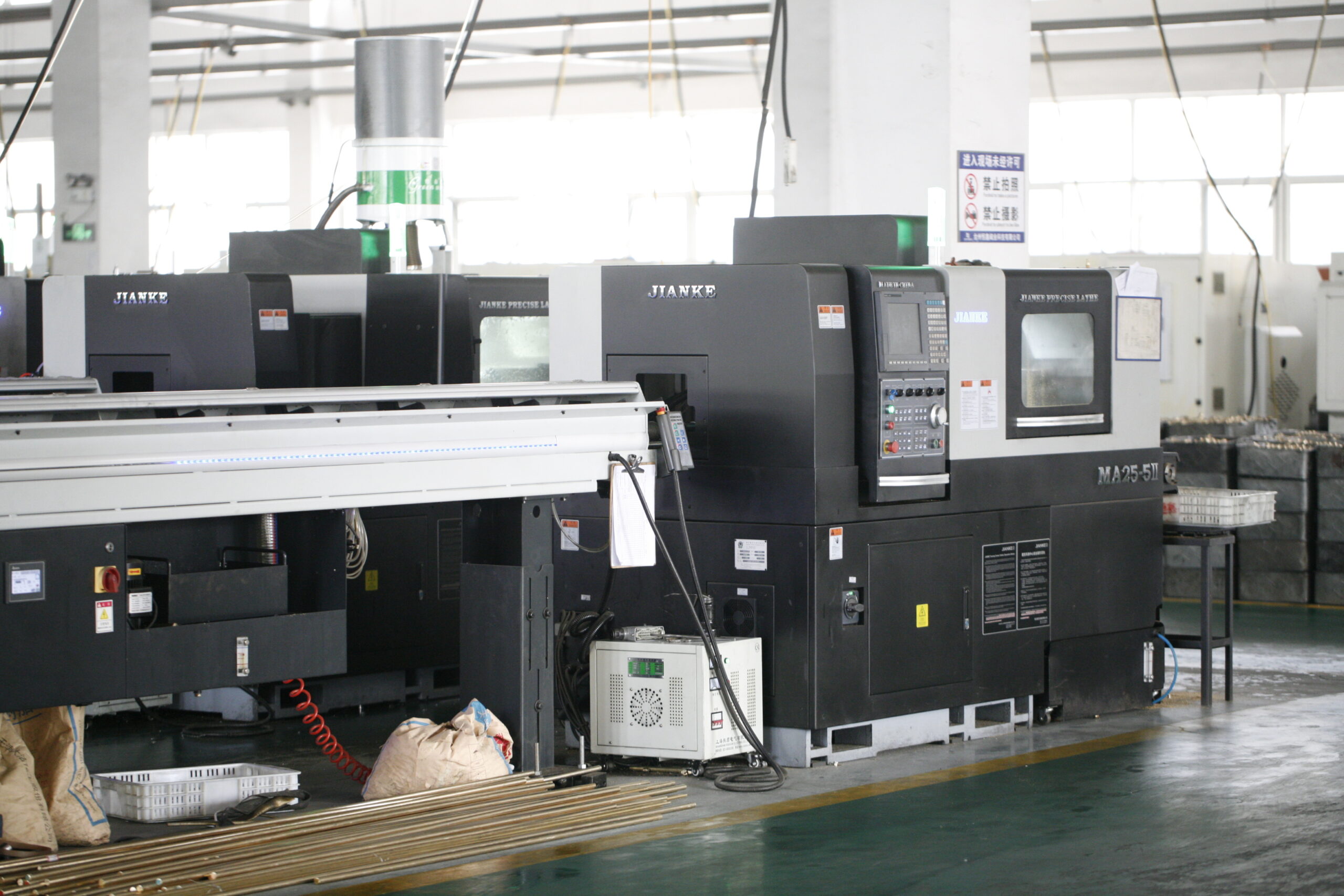
Tous les fournisseurs proposant des vannes en laiton ne disposent pas nécessairement de leur propre usine. Cela ne signifie pas pour autant qu'une société de négoce ne soit pas un choix approprié, mais les acheteurs doivent s'assurer de savoir qui contrôle la production et la qualité avant de passer une commande importante.
- Demandez si l'entreprise possède ou gère directement des sites de production.
- Identifier les processus de production qui sont gérés en interne.
- Vérifiez qui est responsable de la communication technique.
- Vérifiez si les problèmes de qualité peuvent être attribués au processus de production.
- Demandez comment les calendriers de production sont gérés en période de forte demande.
Pourquoi le contrôle de la production est-il important pour les acheteurs en gros ?
Une commande en gros exige une homogénéité sur des milliers d'unités, et pas seulement un bon échantillon initial. Les acheteurs doivent vérifier si le fabricant est en mesure de maintenir des processus stables pour l'usinage, l'assemblage, l'étanchéité, le contrôle qualité et le conditionnement tout au long de la production.
| Domaine d'évaluation | Ce qu'il faut vérifier | Pourquoi est-ce important ? |
|---|---|---|
| Capacité de production | Équipements, procédés et capacités | Permet une sortie en masse stable |
| Contrôle qualité | Points d'inspection et registres | Réduit les risques liés à la cohérence |
| Assistance technique | Examen des spécifications et des plans | Évite les malentendus |
| Personnalisation | OEM, ODM et flexibilité des produits | Favorise la différenciation sur le marché |
| Gestion des livraisons | Planification de la production et communication | Améliore la fiabilité de l'approvisionnement |
Évaluer la qualité des matériaux et les caractéristiques techniques des produits
Vérifiez la qualité du laiton avant de comparer les prix
Les différentes applications peuvent nécessiter des caractéristiques de matériaux différentes. Une vanne conçue pour l'irrigation de jardin peut être soumise à des conditions de fonctionnement différentes de celles d'une vanne utilisée dans d'autres systèmes d'alimentation en eau ou industriels. Les acheteurs doivent définir le matériau requis, les performances attendues, le type de raccordement, la plage de pression et les exigences du marché applicables avant de demander un devis définitif.
Questions à poser à votre fournisseur
- De quel matériau sont-ils faits le corps de la vanne et ses composants clés ?
- Les besoins en matériaux peuvent-ils être consignés dans le cahier des charges de la commande ?
- Comment les matières premières entrantes sont-elles contrôlées avant la production ?
- La substitution d'un matériau devra-t-elle faire l'objet d'une autorisation de l'acheteur ?
- Ce produit peut-il être personnalisé pour répondre aux exigences spécifiques d'un marché donné ?
Vérifiez soigneusement les dimensions, les filetages et les raccords
De légères différences dimensionnelles peuvent entraîner des problèmes d'installation majeurs. Avant de passer une commande en gros, les acheteurs doivent vérifier les plans, les normes de filetage, les dimensions des raccords, les tolérances et les exigences d'assemblage. Cela revêt une importance particulière pour les grossistes et les distributeurs qui commercialisent leurs produits sur des marchés où des normes d'installation bien établies sont en vigueur.
- Veuillez fournir le plan ou le cahier des charges du produit requis.
- Vérifiez toutes les cotes critiques.
- Vérifier les normes relatives aux filetages et aux raccords.
- Vérifiez que l'échantillon est conforme au cahier des charges approuvé.
- Utilisez la version validée comme référence pour la production en série.
Examiner les procédures de contrôle qualité et d'essais
Demandez comment la qualité est contrôlée pendant la production
Un fabricant de vannes en laiton digne de confiance doit expliquer comment la qualité est contrôlée, plutôt que de se contenter de promettre une bonne qualité. Les acheteurs doivent savoir quelles inspections sont effectuées avant, pendant et après la production.
- Contrôle des matières entrantes
- Contrôles dimensionnels en cours de fabrication
- Contrôle de l'assemblage
- Contrôles d'étanchéité ou de pression, le cas échéant
- Vérification fonctionnelle
- Contrôle visuel
- Contrôles finaux de la quantité et de l'emballage
Mettez l'accent sur la reproductibilité, et pas seulement sur l'échantillon
Un échantillon prouve qu'une usine est capable de produire une unité conforme. La production en série nécessite un processus capable de reproduire le même niveau de qualité à grande échelle. Demandez au fabricant comment l'échantillon approuvé, les plans et les exigences d'inspection sont intégrés dans le contrôle de la production.
Pré-production : exigences de qualité réaffirmées ; réduction des erreurs de communication
| Étape de la commande | Guide de l'acheteur | Résultat attendu |
|---|---|---|
| Avant le prélèvement d'échantillons | Caractéristiques techniques confirmées | Objectif de production précis |
| Étape d'échantillonnage | Examen des dimensions et des fonctionnalités | Référentiel d'homologation des produits |
| Production en série | Procédure d'inspection suivie | Des résultats plus cohérents |
| Avant l'expédition | Contrôle final et vérification de l'emballage | Réduction du risque lié à la livraison |
Évaluer les capacités en matière d'OEM, d'ODM et de personnalisation
Quand le modèle OEM est le bon choix
La fabrication en sous-traitance (OEM) est indiquée lorsque les acheteurs disposent déjà de plans, de cotes, de spécifications produit, d'une image de marque ou d'exigences d'emballage bien définis. La question essentielle est de savoir si le fournisseur est en mesure de respecter ces exigences de manière constante lors de la production en série.
- Marques de distributeur
- Marquages personnalisés des produits
- Dimensions ou raccords sur mesure
- Emballages adaptés à chaque marché
- Fabrication sur la base de plans approuvés
Quand l'ODM peut apporter une valeur ajoutée supplémentaire
Le soutien ODM peut s'avérer utile lorsqu'un acheteur a une idée de produit ou identifie une demande du marché, mais a besoin d'une assistance technique pour mettre au point la solution finale. Par exemple, les distributeurs de systèmes d'irrigation de jardin peuvent avoir besoin d'une conception de vanne modifiée, de différentes options de raccordement ou d'une gamme de produits adaptée à leur clientèle cible.
- Présentez l'application et le marché cible.
- Définir les exigences en matière de performances et les exigences commerciales.
- Passer en revue les structures de produits disponibles ou les options de développement.
- Vérifier les échantillons et les modifications.
- Finaliser les spécifications en vue de la production en série.
Évaluer la communication avant d'envisager une coopération à long terme
Une communication claire réduit les risques liés aux commandes en gros
De nombreux problèmes liés aux achats trouvent leur origine dans des hypothèses mal définies. Un fournisseur professionnel doit confirmer tout changement important concernant les matériaux, les dimensions, les quantités, l'emballage, les essais ou la livraison, plutôt que de se fier à des discussions informelles.
Les signes d'une communication efficace avec les fournisseurs
- Les questions techniques reçoivent des réponses claires.
- Les spécifications sont validées avant la production.
- Les problèmes potentiels sont signalés dès leur apparition.
- Les modifications sont consignées et traçables.
- Les informations relatives à la production et à la livraison sont relativement transparentes.
Comparez la valeur totale des achats plutôt que le seul prix unitaire
Le devis le moins cher n'est pas forcément celui qui présente le coût total le plus bas. Les acheteurs doivent tenir compte de l'impact financier des réclamations liées à la qualité, des retards de livraison, des produits refusés, du reconditionnement, des commandes de remplacement et de la perte de clients.
- Cohérence de la qualité des produits
- Possibilités de personnalisation
- Flexibilité en matière de quantité minimale de commande (MOQ)
- Délais de livraison des échantillons et de la production
- Périmètre des inspections et des essais
- Qualité de l'emballage
- Prise en charge des modèles OEM et ODM
- Efficacité de la communication
- Capacité à résoudre des problèmes imprévus
Une liste de contrôle pratique avant de passer une commande en gros
- Vérifiez si vous travaillez directement avec un fabricant ou avec un autre type de fournisseur.
- Définir l'ensemble des spécifications techniques et des exigences fonctionnelles.
- Vérifier le matériau en laiton et les composants critiques.
- Vérifiez les dimensions, les filetages et les normes de raccordement.
- Examiner les capacités en matière de production et de contrôle qualité.
- Préciser les exigences en matière d'essais et d'inspections.
- Évaluez les options OEM, ODM et personnalisables si nécessaire.
- Valider un échantillon représentatif avant la production en série.
- Vérifiez les exigences en matière d'emballage, d'étiquetage et d'expédition.
- Consigner les spécifications définitives avant de valider la commande en gros.
Comment notre entreprise accompagne les acheteurs de vannes en laiton en gros
Notre entreprise collabore avec des acheteurs internationaux en mettant l'accent sur la confirmation claire des spécifications, des discussions flexibles sur les produits et une coopération concrète en matière d'OEM et d'ODM. Que vous soyez grossiste, distributeur, propriétaire de marque ou acheteur de projet, notre objectif est de vous aider à réduire les incertitudes liées à l'approvisionnement avant le début de la production.
Notre procédure recommandée pour les commandes en gros
- Faites-nous part de vos spécifications produit, de vos plans ou de l'application visée.
- Discutez des matériaux, des dimensions et des options de personnalisation.
- Vérifier la faisabilité technique et les exigences commerciales.
- Examiner et approuver les échantillons lorsque cela s'avère nécessaire.
- Finaliser les spécifications relatives à la qualité, au conditionnement et à la production.
- Poursuivre la production en série et les contrôles dans le respect des procédures.
Conclusion : évaluez d'abord, puis adaptez la taille de votre commande
Ne vous fiez pas uniquement à un devis avantageux pour choisir un fabricant de vannes en laiton. Contactez notre entreprise pour discuter de votre commande en gros, de vos besoins en matière d'OEM, d'ODM ou de personnalisation, et pour évaluer le produit et l'approche de production les mieux adaptés avant de vous engager dans un achat en gros.